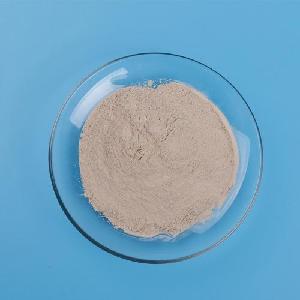
L-tryptophan

L-tryptophan’s stability is influenced by food processing conditions, requiring careful handling: Sensitivity to heat and light: High-temperature processing (e.g., prolonged cooking, sterilization) or exposure to UV light can degrade tryptophan, reducing its bioavailability. This is particularly relevant for canned or shelf-stable foods, where processing may diminish natural tryptophan levels. Interaction with other components: In alkaline environments or in the presence of oxidizing agents, tryptophan can undergo chemical reactions (e.g., Maillard browning with sugars) that alter its structure and activity. Food manufacturers may adjust pH or use antioxidants to preserve its integrity. Bioavailability: Tryptophan uptake in the body is competitive with other large neutral amino acids (e.g., leucine, phenylalanine). Foods paired with carbohydrates (which trigger insulin release, reducing competition) can enhance its absorption—explaining why meals like turkey with mashed potatoes are often associated with increased tryptophan availability.
Other supplier products
|
|
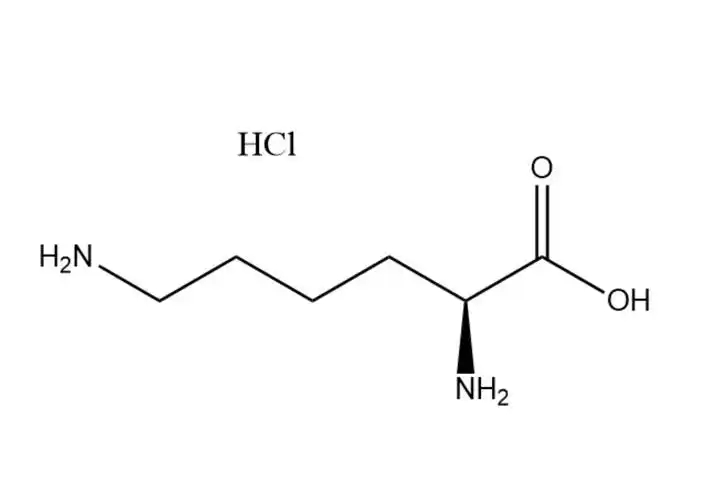
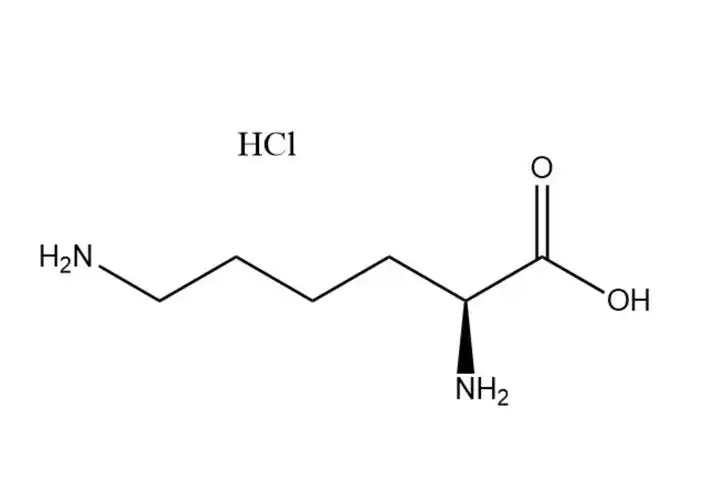
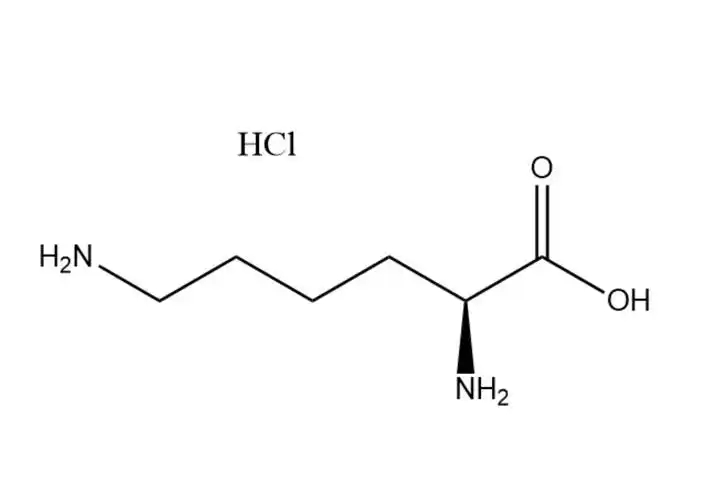
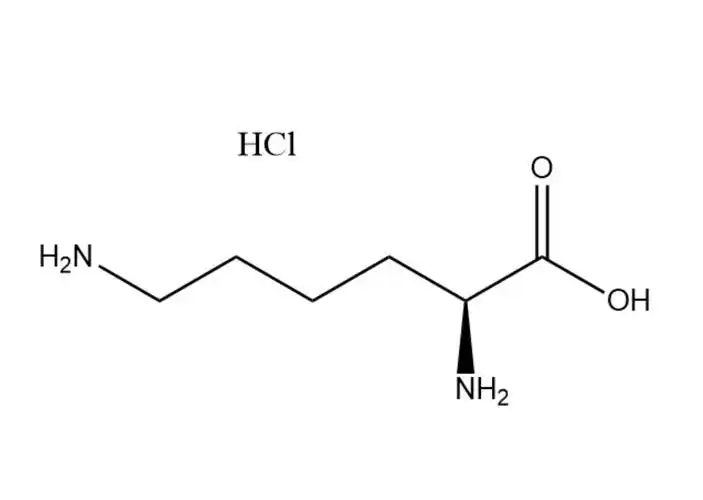
L-Lysine Monohydrochloride Price |
Reactions of Carboxyl and Amino Groups (Typical Amino Acid Reactions)
Neutralization reaction: Reacts with strong bases (e.g., NaOH, KOH) in a... |
|
|
Glycine |
In the fields of industry and electroplating, glycine is an excellent complexing agent, buffer, and electroplating additive. In the electroplating ... |
|
|
L-leucine |
L-leucine is an essential amino acid, which means it cannot be synthesized by the human body and must be obtained through diet. Dietary Sources Ani... |
|
|
L-Threonine |
Nutritional Fortification and Amino Acid Supplementation Essential Amino Acid Addition: L-Threonine is an essential amino acid for humans (cannot b... |
|
|
L-Cysteine hydrochloride monohydrate |
Chemical Structure and PropertiesMolecular FormulaChemical Formula:C3H7NO2S· HCl· H2O Molecular Weight: Approximately 175.64 g/molStr... |
供应产品
Same products