Manufacturer

Metabolism and Safety of L-Methionine L-Methionine is absorbed in the small intestine via amino acid transporters and metabolized primarily in the liver. Its metabolic pathways include protein synthesis, transsulfuration (to cysteine and GSH), and remethylation (recycling to methionine). Excess methionine is catabolized to carbon dioxide, sulfuric acid, and urea, which are excreted from the body, with no significant accumulation under normal intake levels. In terms of safety, L-Methionine has a high margin of safety. The FAO/WHO recommends a daily intake of 13 mg/kg body weight for adults, and no adverse effects have been reported at doses within this range. However, excessive supplementation (exceeding 1000 mg/day for long periods) may lead to hyperhomocysteinemia, which is associated with increased cardiovascular risk, or gastrointestinal discomfort (e.g., nausea, diarrhea). Individuals with liver or kidney disorders should use it under medical supervision, as impaired organ function may affect methionine metabolism.
Other supplier products
|
|
DL-Alanine Powder |
DL-Alanine is a low-risk material for microbial growth (due to its amino acid nature, it is not a preferred nutrient for most spoilage microbes und... |
|
|
L-Lysine monohydrochloride |
Solubility ofL-Lysine monohydrochloride
Solubility is the most distinctive physical property of L-lysine monohydrochloride, and its high aqueous s... |
|
|
Inositol as an important nutritional fortifier in food |
Inositol is used as an important nutritional fortifier in food. As a natural vitamin‑like nutrient, it can supplement daily physiological nutrients... |
|
|
L-Threonine |
L-Threonine is an essential amino acid with specific physical properties that influence its behavior in biological systems and industrial applicati... |
|
|
L-Methionine |
Natural Dietary Sources of L-Methionine Natural sources of L-methionine are widely distributed in animal-derived and plant-based foods, with higher... |
供应产品
Same products
|
|
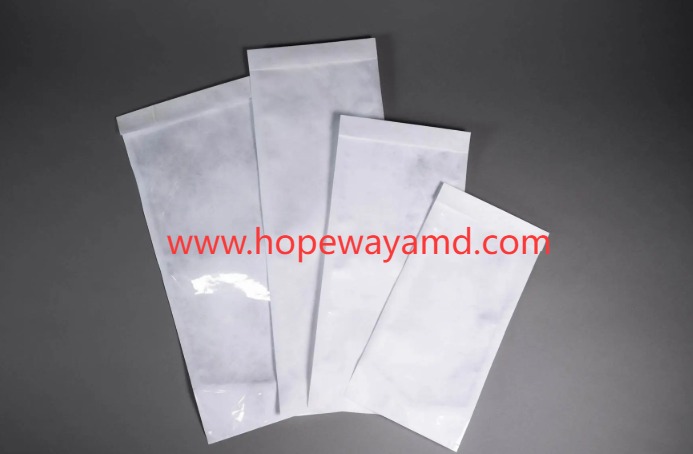
Heat Sealing Sterilization Pouch |
卖方: Hopeway AMD |
Heat Sealing Sterilization Pouch is designed for secure medical instrument packaging, supporting ... |
|
|
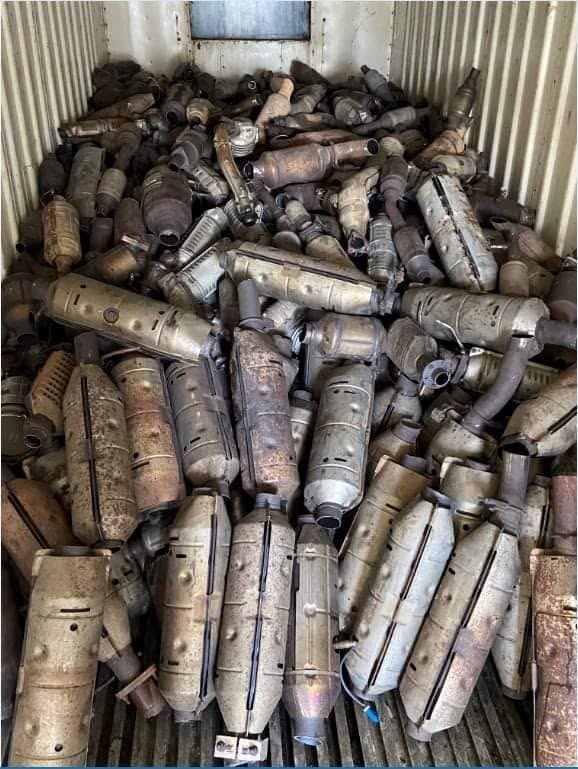
Catalytic Converter Scrap Supplier, Catalytic Converter Scrap for Sale, , Catalytic Converter Scrap, Catalytic Scrap for Sale, Catalytic Scrap Supplier, Scrap Catalytic Supplier |
卖方: Trucont LLC |
Trucont LLC 持续供应催化转化器废料,可立即装运发货。我们为全球各地的回收公司、金属加工商、汽车回收商、废料贸易商和买家提供优质的催化转化器废料。我们的催化转化器废料经过精心收集、分类... |
|
|
Epimedium Extract |
卖方: Fruit Powder,Vegetable Powder |
Product Name: Epimedium ExtractLatin Name: Epimedium Sagittatum Maxim.Specification: Icariin 5%, ... |
|
|
Pumpkin Powder |
卖方: Fruit Powder,Vegetable Powder |
Product Name: Pumpkin PowderLatin Name: Cucurbita pepo L.Used Part: FruitAppearance: yellow fine ... |
|
|
Broccoli Powder |
卖方: Fruit Powder,Vegetable Powder |
Product Name: Broccoli powder
Latin Name: Brassica oleracea L.var.italic Planch.
Used Part: Who... |