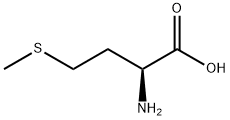
DL-methionine
The methylthio group is the most distinctive functional group in DL-methionine and can participate in substitution and addition reactions. Alkylation substitution reaction: The sulfur atom in the methylthio group has a lone pair of electrons, making it a nucleophilic site that can react with alkyl halides (e.g., methyl iodide) to form sulfonium salts. This reaction is the basis for the synthesis of methionine derivatives with enhanced biological activity. Cleavage reaction: Under the action of strong nucleophiles (e.g., sodium hydroxide in the presence of hydrogen peroxide) or enzymes (e.g., methionine lyase), the C-S bond in the methylthio group can be cleaved, producing homocysteine and methanethiol. In biological systems, this cleavage reaction is catalyzed by specific enzymes and is a key step in methionine metabolism.
Other supplier products
|
|
Precautions for the Use of Inositol |
Precautions for the Use of Inositol 1. Controlled dosage administration Follow the recommended daily dosage for oral use. Excessive long-term intak... |
|
|
L-Methionine powder |
L-Methionine is an essential sulfur-containing amino acid that plays irreplaceable roles in protein synthesis, metabolic regulation, and physiologi... |
|
|
Purchase price |
As an amphoteric compound, L-threonine can buffer pH changes in acidic or alkaline food systems: Used in beverages (e.g., sports drinks, fruit juic... |
|
|
In functional foods and health supplements |
Inositol is a core active ingredient in functional foods and health supplements. As a special vitamin‑like substance, it regulates human glucose an... |
|
|
DL-Alanine Powder |
The original commercial packaging of DL-Alanine is designed for its stability:
Unopened products: Keep in the original sealed bag/bucket (usually... |
供应产品
Same products