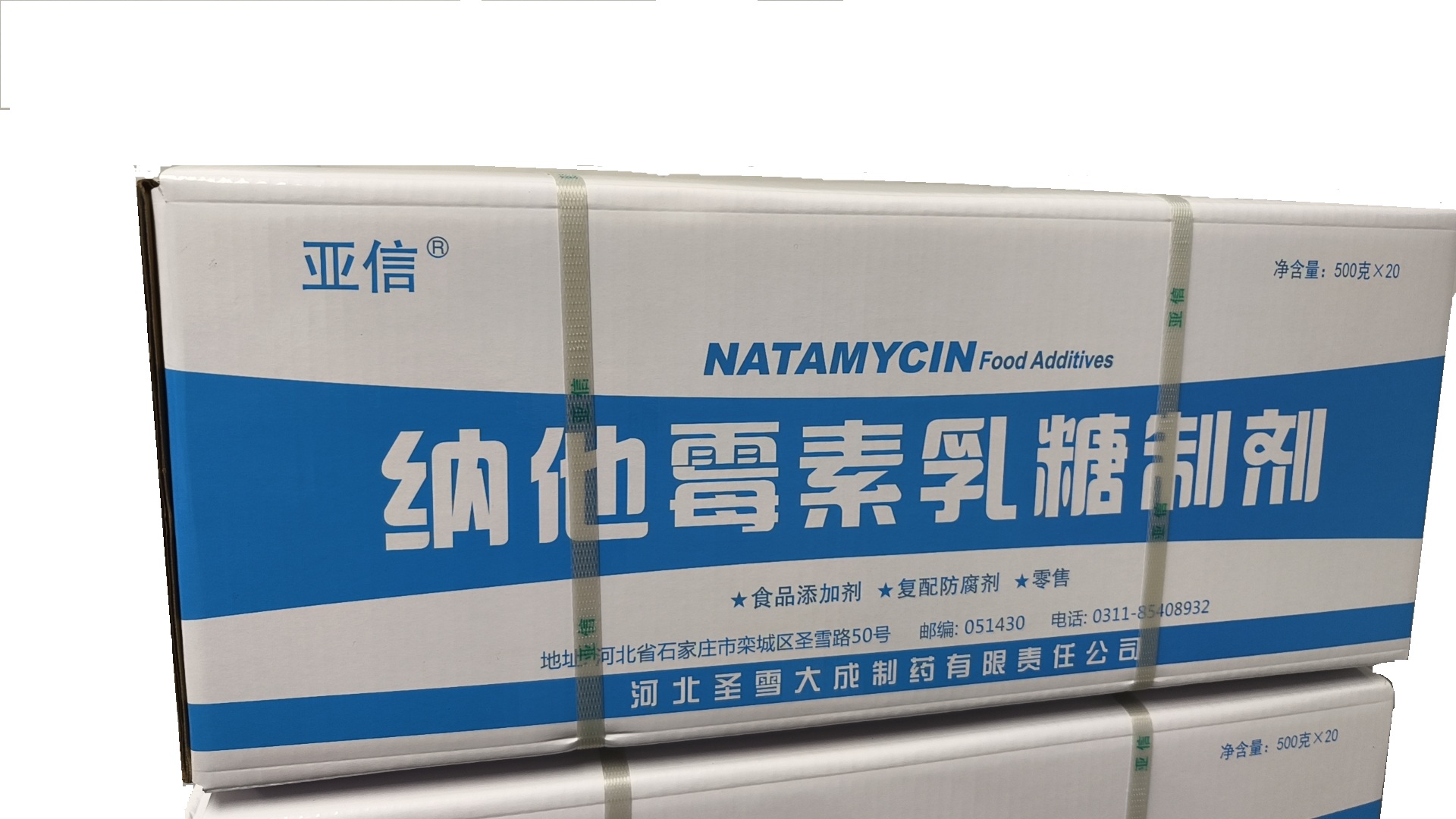
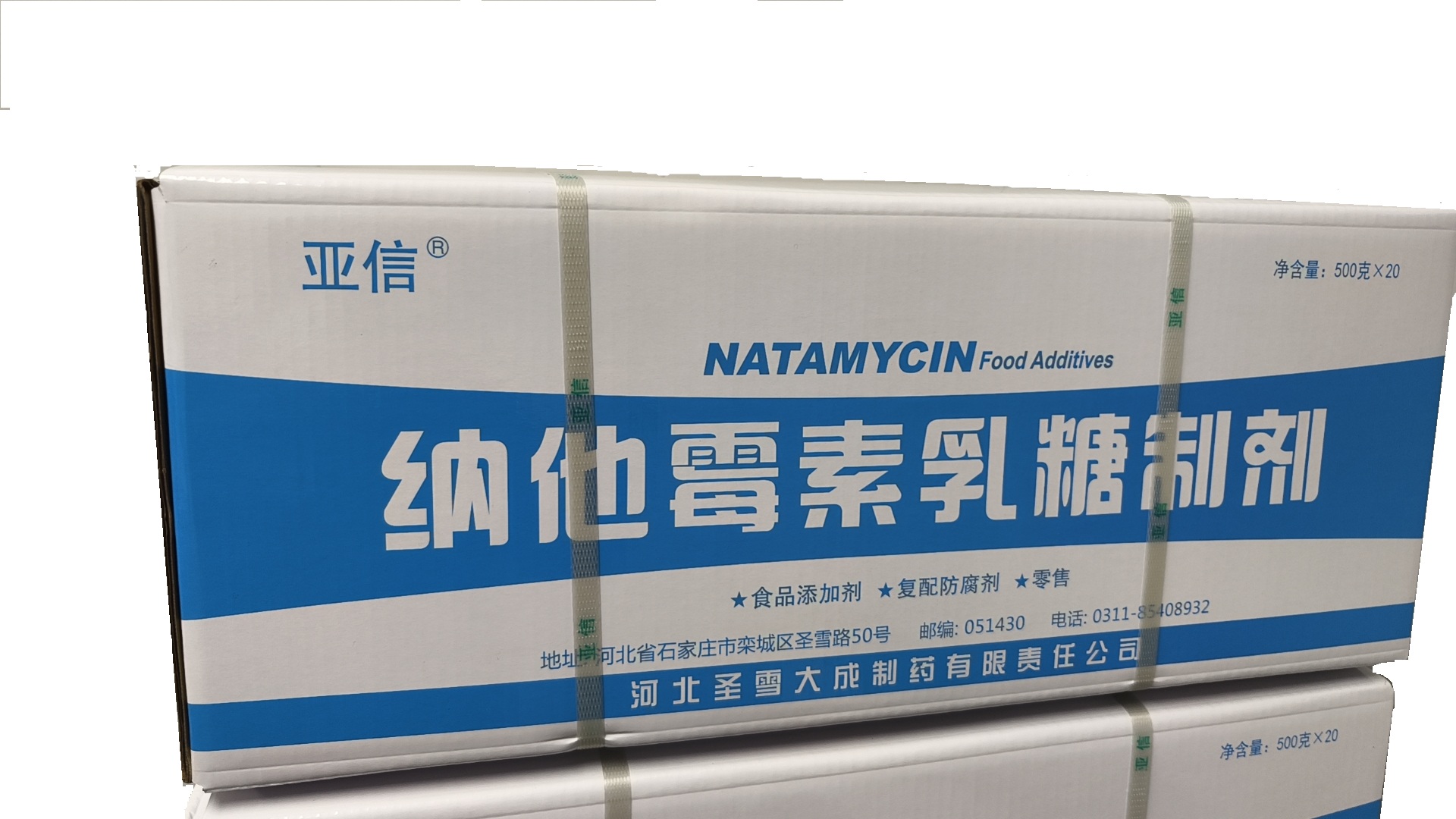
Natamycin 7681-93-8
Natamycin and other food preservatives in the mechanism of action difference:
Natamycin: By binding with ergosterol on the fungal cell membrane, the formation of pores,
resulting in the leakage of intracellular substances, interfering with cell metabolism, thus
inhibiting fungal growth.
Other food preservatives: the mechanism of action varies. For example, benzoic acid and its
sodium salt are inhibited by inhibiting the activity of microbial cell respiratory enzyme system, so
that cell metabolism is hindered; Sorbate and its potassium salt can bind to sulfhydryl groups in
microbial enzyme system, thus achieving the purpose of inhibiting microbial growth and
reproduction. By acting on the cell membrane of bacteria, the permeability of the cell
membrane increases, and the substances in the cell leak out, resulting in the death of bacteria.
Other supplier products
|
|
Spectinomycin Hydrochloride Soluble Powder 50% 200g |
Product Name: Spectinomycin Hydrochloride Soluble PowderMain ingredients: Spectinomycin hydrochlorideDescription: This product is a white or off-wh... |
|
|
Natamycin Exporter |
Natamycin is different from other food preservatives in terms of antibacterial spectrum:Natamycin: It has a high inhibitory effect on fungi such as... |
|
|
Natamycin 7681-93-8 |
Natamycin and other food preservatives in the mechanism of action difference: Natamycin: By binding with ergosterol on the fungal cell membrane, th... |
|
|
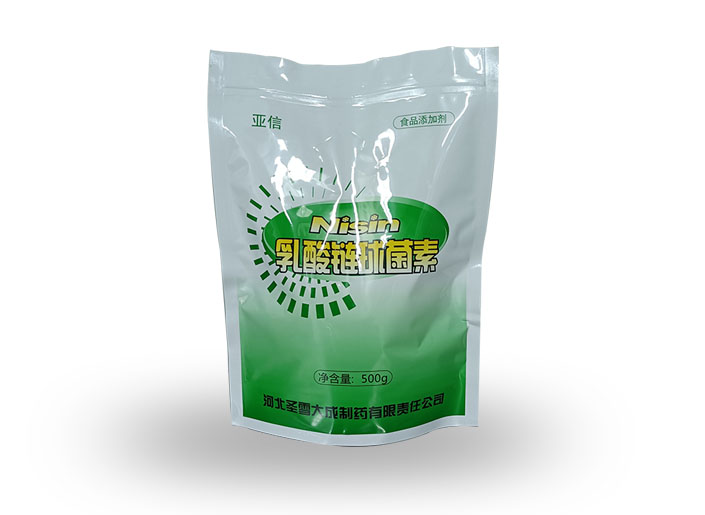
Nisin as a natural antimicrobial peptide |
Nisin, a natural antimicrobial peptide produced by Lactococcus lactis, is widely used in food preservation and freshness retention due to its stron... |
|
|
Chlortetracycline Premix |
Chlortetracycline Premix in livestock and poultry feed: 1. Purpose: · Promote the growth of livestock and poultry: Chlortetracycline Premix ... |
供应产品
Same products