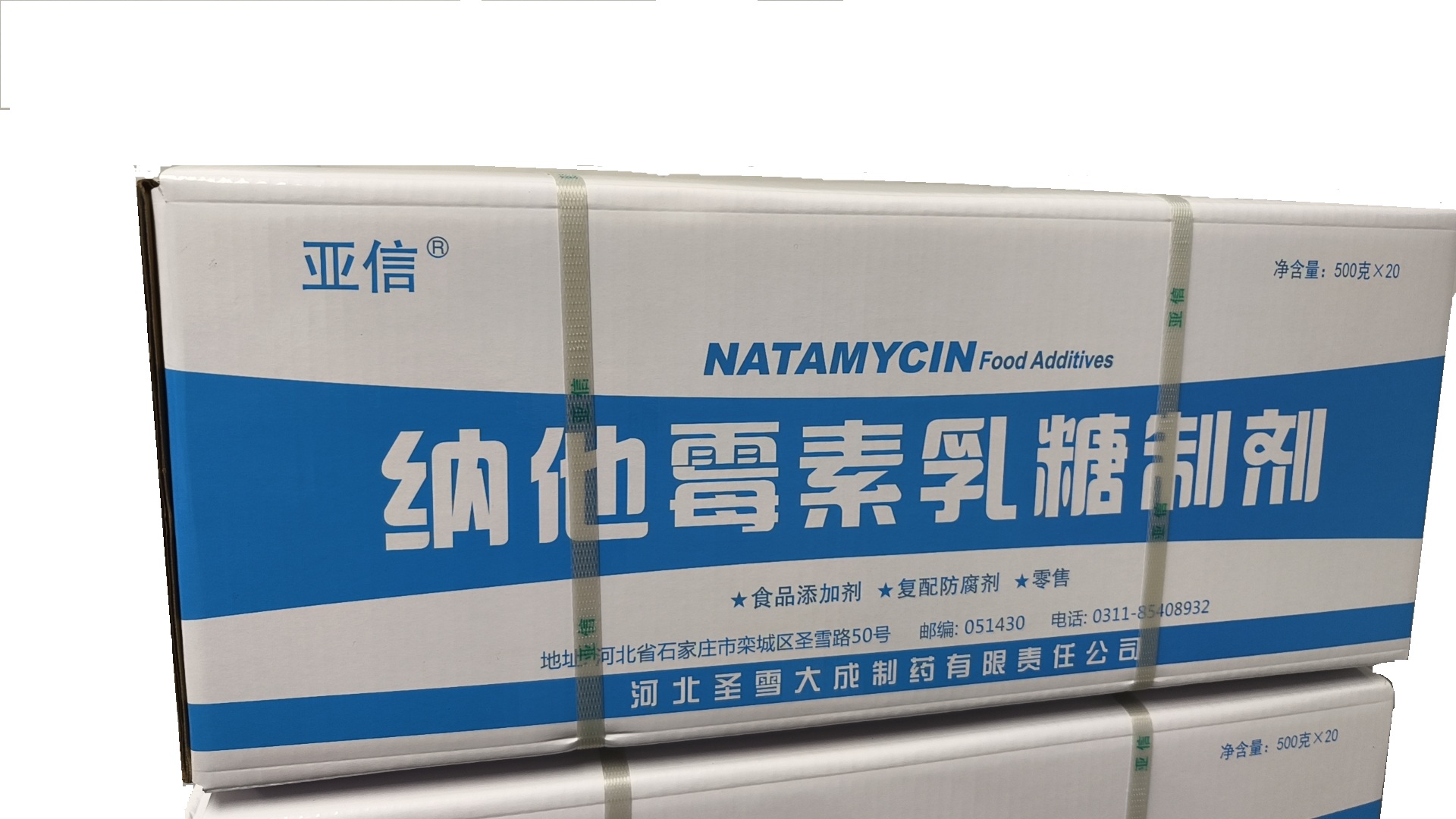
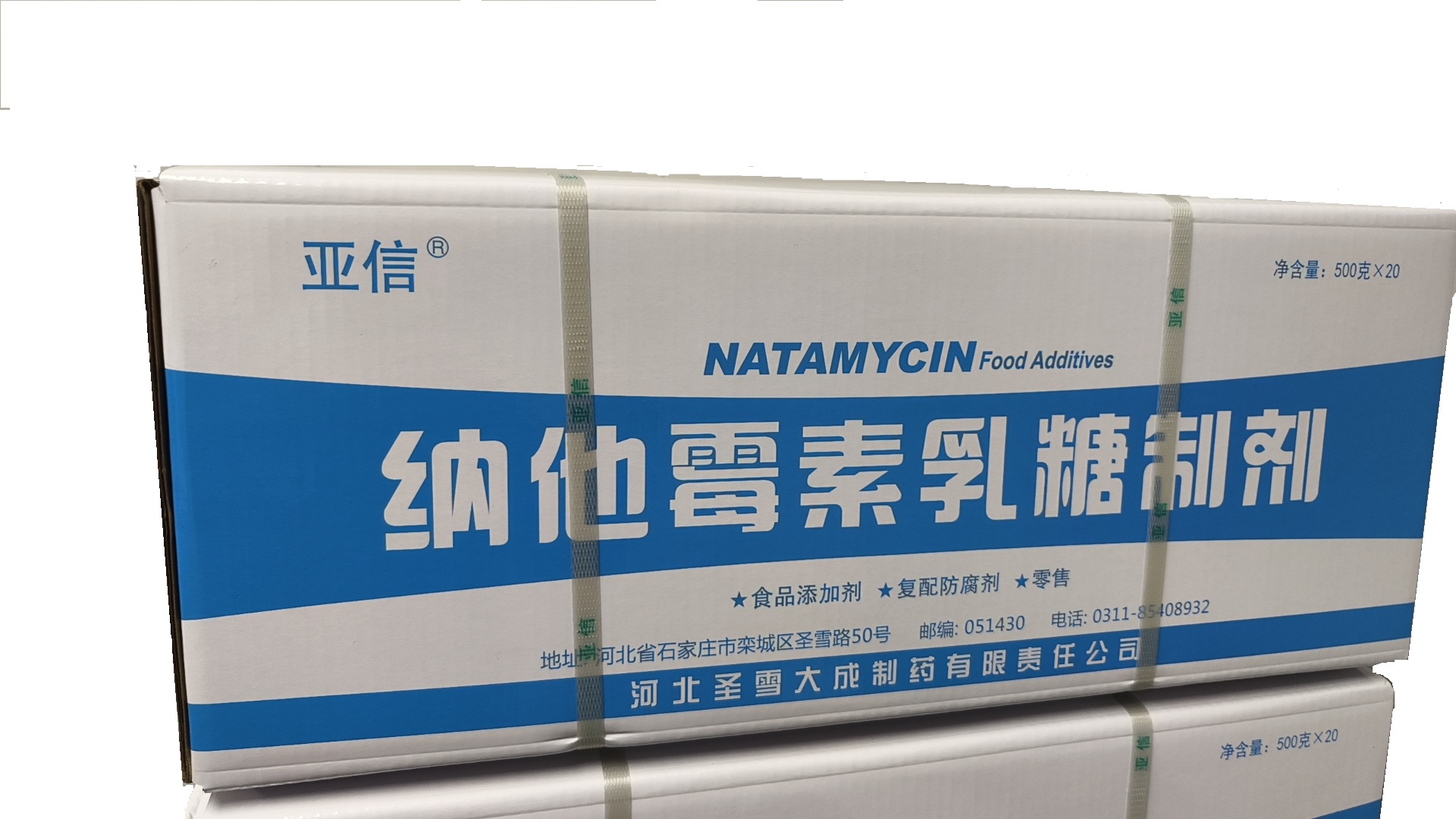
Natamycin 7681-93-8
Natamycin and other food preservatives in the mechanism of action difference:
Natamycin: By binding with ergosterol on the fungal cell membrane, the formation of pores,
resulting in the leakage of intracellular substances, interfering with cell metabolism, thus
inhibiting fungal growth.
Other food preservatives: the mechanism of action varies. For example, benzoic acid and its
sodium salt are inhibited by inhibiting the activity of microbial cell respiratory enzyme system, so
that cell metabolism is hindered; Sorbate and its potassium salt can bind to sulfhydryl groups in
microbial enzyme system, thus achieving the purpose of inhibiting microbial growth and
reproduction. By acting on the cell membrane of bacteria, the permeability of the cell
membrane increases, and the substances in the cell leak out, resulting in the death of bacteria.
Другие товары поставщика
|
|
China-made Nisin Pirce |
Cross-Border E-Commerce Platform and Channel AdvantagesThe development of cross-border e-commerce has opened broader sales channels for China-made ... |
|
|
Nisin |
Nisin is a natural antimicrobial peptide produced by the bacterium Lactococcus lactis.It has potent antimicrobial properties, particularly against ... |
|
|
Natamycin 7681-93-8 |
Product Name: NatamycinCAS No. 7681-93-8Molecular formula: C₃₃H₄₇NO₁₃.Molecular weight: 665.75EINECS number 231-683-5Physical and chemical properti... |
|
|
Oxytetracycline Hydrochloride Soluble Powder 50% 200g |
Oxytetracycline Hydrochloride Soluble Powder is a broad-spectrum antibiotic used to treat a variety of bacterial infections in animals. It is a der... |
|
|
Nisin Raw Material |
Dosages of nisin vary by age, health status, and application, with most formulations based on "international units (IU)" (1 IU = ~0.25 μg pure n... |
Все товары поставщика
Похожие товары