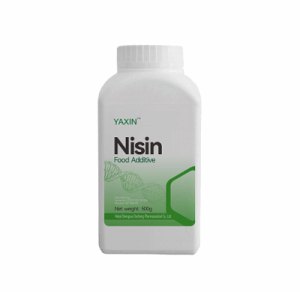
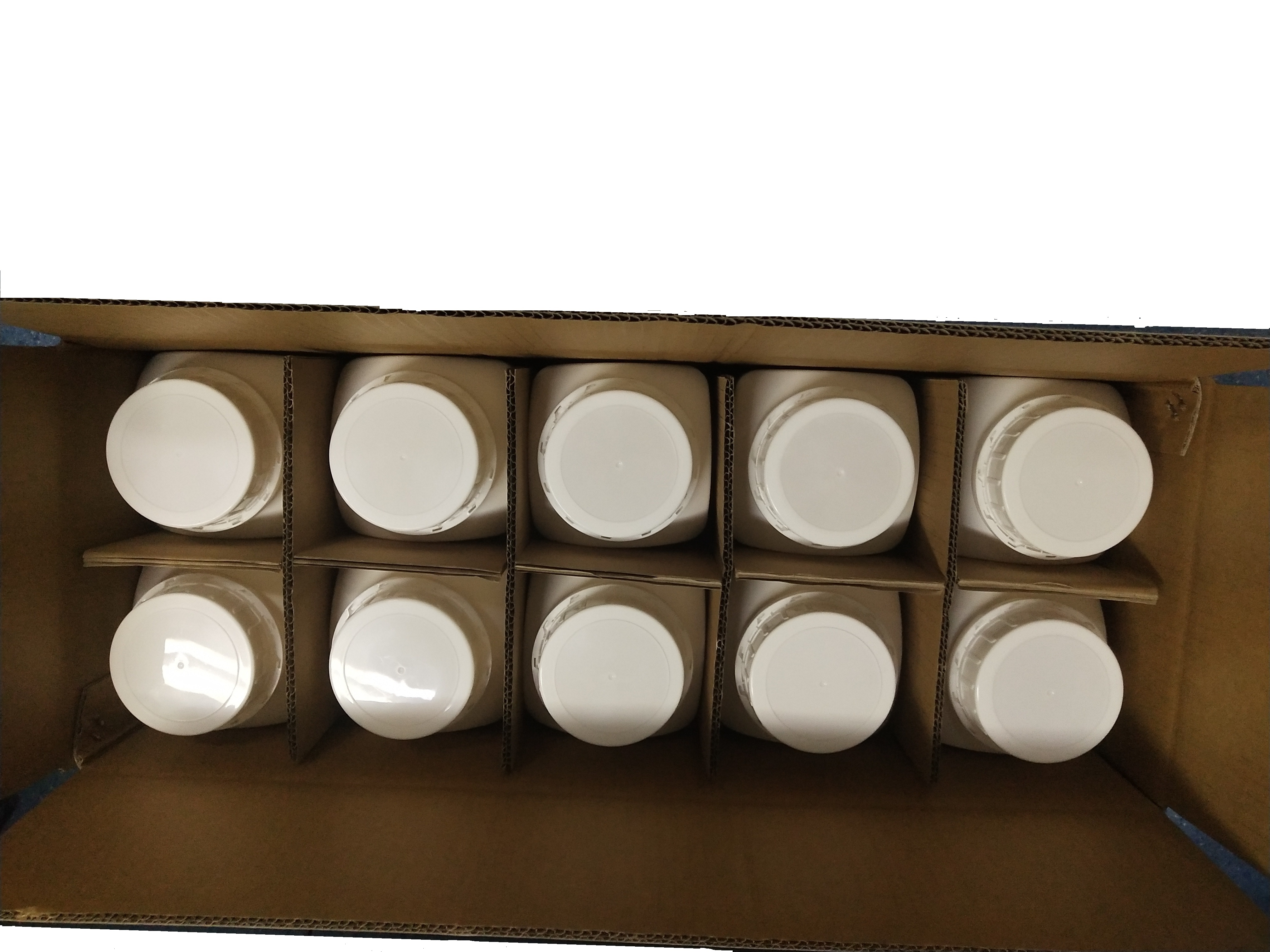
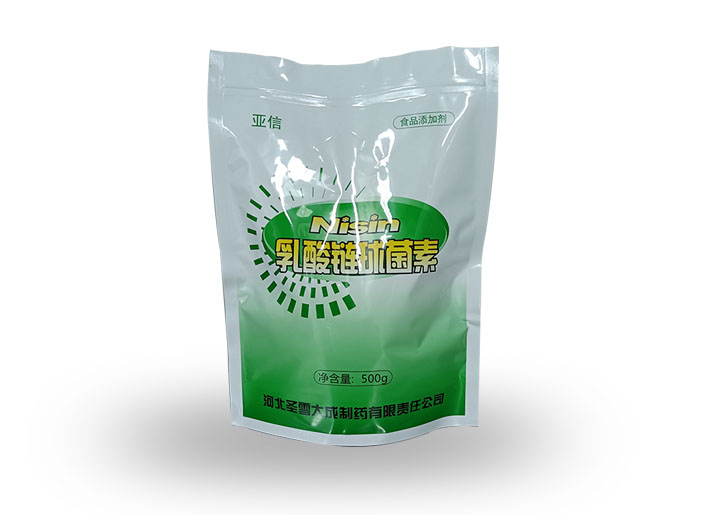
Nisin 500g
Nisin is permitted for use in infant formula foods (such as in baby cheese approved by the European Union, with a limit of 0.2g /kg), and its probability of passing through the placental barrier is extremely low. Moreover, the amino acids of its metabolites have no adverse effects on fetal development.
The FDA of the United States believes that normal intake of foods containing Nisin (such as dairy products) by pregnant women does not pose a risk to the fetus and no special restrictions are required.
The amino acid sequence of Nisin does not contain common allergens (such as milk protein, soy protein, etc.), and its antigenicity disappears after protease hydrolysis. Therefore, the risk of allergy can be ignored.
Since Nisin mainly inhibits Gram-positive bacteria, and the human intestinal flora is mainly composed of Gram-negative bacteria (such as Bacteroides), it will not disrupt the balance of intestinal flora under normal usage.
Other supplier products
|
|
Nisin |
Nisin is commonly added to dairy products for its antimicrobial properties, which help control the growth of spoilage and pathogenic bacteria.The a... |
|
|
Chlortetracycline Premix |
Chlortetracycline Premix is a veterinary medicine used to prevent and treat bacterial infections in poultry and livestock. It is a broad-spectrum a... |
|
|
Nisin Supplier |
Solubility: Nisin's solubility varies with pH. For example: In water (pH = 7), its solubility is 49.0 mg/ml In 0.02M hydrochloric acid, its solubil... |
|
|
Nisin in the Prepared Meal Industry |
Standardized Application of Nisin in the Prepared Meal Industry 1. Scope of Application In accordance with GB 2760—2017 National Food Safety ... |
|
|
Natamycin |
Natamycin, as a natural antifungal compound, requires corresponding measures to be taken during transportation in accordance with its chemical prop... |
供应产品
Same products