

Industrial formaldehyde

Introduction
Formaldehyde, chemical formula or HCHO or CH2O, formula 30.03, also known as ant aldehyde, explosion limit: 7.0-73%. It has a strong reducing effect and is used as raw material of pesticide and disinfectant, synthetic resin, vinylon, urotropine, jilisuteol and dye, etc.
| Product Name | Aldehyde Content% | Appearance | Features | Application | |
|---|---|---|---|---|---|
| Formaldehyde | 37 | colorless transparent liquid type formaldehyde | commonly known as formalin | is widely used in chemical industry, textile, wood processing, etc | |
| Paraformaldehyde | 98 | white crystalline powder | high solid content | , herbicides, synthetic resin, coatings, adhesives and other industries | |
| High concentration formaldehyde | 52 | colorless transparent liquid | higher reactivity for MDI | polyethylene tetrahydrofuran, pom, such as chemical and pharmaceutical industries |
| Category | Details |
|---|---|
| Chemical Formula | HCHO; simplest aldehyde, polymerizes into paraformaldehyde |
| Key Applications | –Wood Adhesives: Urea-formaldehyde (UF) resins –Plastics: Phenolic resins, molding compounds –Textiles: Finishing agent for wrinkle-resistance –Disinfectants: Medical/industrial sterilization |
| Industrial Grades | –37% Solution: Common aqueous solution –50% Solution: High-concentration blends –Gas Form: Polymerization processes |
| Safety Risks | –Acute Exposure: Respiratory irritation, skin sensitization –Carcinogenicity: IARC Group 1 (nasal cancers) –Flash Point: 64°C (closed cup) |
| Regulatory Compliance | –OSHA PEL: 0.75ppm (TWA) –REACH: Authorized under strict controls –EPA: Emission limits for composite wood products |
| Environmental Impact | –VOC Emissions: Contributes to ground-level ozone –Wastewater Treatment: Biodegradation challenges –Carbon Footprint: Energy-intensive production |
| Sustainability Trends | –Green Alternatives: Bio-based adhesives (e.g., soy-based) –Process Innovations: Closed-loop systems for capture/reuse –Catalyst Development: Reducing energy consumption |
| Market Dynamics | –Global Demand: ~5.5M tons/year (2025) –Growth Drivers: Emerging economies, construction sector –Price Drivers: Methanol feedstock costs, energy prices |
Note: Critical industrial chemical requiring rigorous safety protocols. Industry focus on reducing environmental footprint through technological advancements.
Key Characteristics
Physical & Chemical Properties
| Property | Specification |
|---|---|
| Molecular Formula | CH₂O |
| Boiling Point | -19°C (gas) / 37% in water |
| Density | 1.09 g/cm³ (37% solution) |
| Flash Point | 85°C (37% solution) |
| Solubility | Completely miscible in water |
Commercial Forms
| Form | Concentration | Primary Use |
|---|---|---|
| Aqueous Solution | 37-50% | Most common industrial form |
| Paraformaldehyde | 91-99% | Solid, slow-release form |
| Gas | 100% | Direct chemical synthesis |
Industrial Applications
Major Uses
| Industry | Application | Key Products |
|---|---|---|
| Resin Production | Adhesives & binders | Urea-formaldehyde resins |
| Construction | Composite wood products | Particleboard, MDF |
| Automotive | Molded components | Phenolic resins |
| Healthcare | Disinfection | Sterilizing solutions |
| Textiles | Fabric treatment | Wrinkle-resistant finishes |
Safety & Handling
Health Hazards: Carcinogenic (Group 1 IARC), skin/eye irritant
Exposure Limits: 0.75 ppm (8-hr TWA), 2 ppm (STEL)
Storage: 21-25°C in corrosion-resistant containers
Stabilization: Typically contains 10-12% methanol
Production Methods
Methanol Oxidation(90% of global production)
Natural Gas Direct Conversion
Biomass Pyrolysis(emerging technology)
Conclusion
Industrial formaldehyde remains indispensable despite its toxicity concerns, with annual production exceeding 50 million tons. Future developments focus on safer handling technologies and bio-based production methods to maintain its critical role in manufacturing.
在线联系供应商
Other supplier products
 |
A7750 CAS 3081-14-9 | 3081-14-9 –Names and Identifiers Name N,N’-BIS(1,4-DIMETHYLPENTYL)-P-PHENYLENEDIAMINE Synonyms 77PDUnilink 7100Vulkanox 4... |
 |
Substrate wetting additive STD-249 | Composition: Polyether modified silicone oil Appearance: light yellow viscous liquid Active ingredient: 100% Solvent: NoneScope of Application: ... |
 |
Styrene CAS 100-42-5 | Introduction Styrene SDEB is a type of styrene produced by catalytic dehydrogenation of ethylbenzene. It is used to manufacture polystyrene, ABS p... |
 |
Rheology modifier STD-9012 | Introduction Composition: Polyurea mixture solution Appearance: yellow transparent solution Active ingredient: 50% Solvent: N-methylpyrrolidone... |
 |
Rheology modifier STD-9020 | Composition: Polyamide wax dispersion Appearance: light yellow paste Active ingredient: 20% Solvent: Mixed aromatic hydrocarbons Scope of Appli... |
Same products
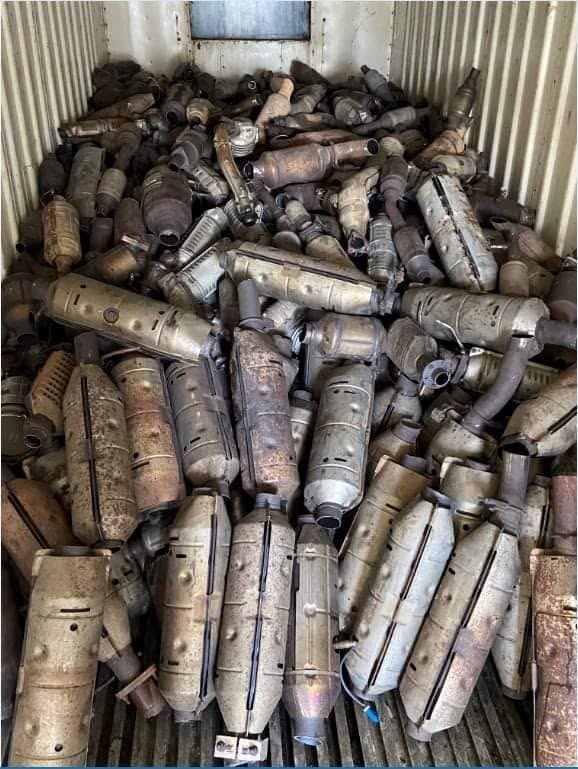 |
Catalytic Converter Scrap Supplier, Catalytic Converter Scrap for Sale, , Catalytic Converter Scrap, Catalytic Scrap for Sale, Catalytic Scrap Supplier, Scrap Catalytic Supplier | 卖方: Trucont LLC | Trucont LLC 持续供应催化转化器废料,可立即装运发货。我们为全球各地的回收公司、金属加工商、汽车回收商、废料贸易商和买家提供优质的催化转化器废料。我们的催化转化器废料经过精心收集、分类... |
 |
Natural cypress cat litter | 卖方: DALIAN ZZ INT'L TRADE CO.,LTD. | Natural cypress cat litter Eco-friendlyLightweightFlushableLow tracking and low dustWill not gro... |
 |
DTG ink for Brother Printhead | 卖方: Guangzhou SAVEN Technology Co., Ltd | DTG inkhas a strong fluency on the kinds of print head, it can be satisfied with the production d... |
 |
Direct to Garment (DTG) Pigment Ink DTG-100W | 卖方: Guangzhou SAVEN Technology Co., Ltd | DTG inks are a range of digital textile pigment inks. Direct to Garment pigment inks offer an eas... |
 |
Premium CMYK color DTF for Epson Printheads | 卖方: Guangzhou SAVEN Technology Co., Ltd | Unlock unmatched vibrancy with Premium CMYK DTF Ink. Engineered for professional Direct-to-Film p... |

