

Rapid Crack Propagation Tester

Whats/App: +86 156 1874 6768
Web: standard-groups.com
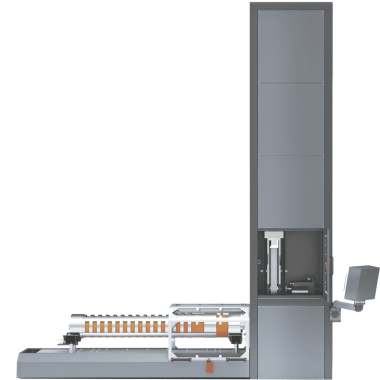
The Rapid Crack Propagation Tester is primarily used for testing the critical pressure and critical temperature performance of thermoplastic pipes used for transporting gas or liquids, specifically their resistance to rapid crack propagation.
Applications
1. Plastics/Piping Industry: Testing the rapid crack propagation (RCP) performance of PE, PPR, and other pipe materials to ensure the long-term service safety of water supply and gas pipelines (compliant with ISO 13479 and GB/T 19279 standards);
2. Automotive Industry: Verifying the impact crack resistance of plastic/metal materials used in vehicle body structures, bumpers, etc., to suit collision scenarios;
3. Aerospace/Defense Industry: Evaluating the crack propagation stability of composite materials and metal components under extreme loads to ensure equipment structural safety;
4. Materials Research and Development: Screening materials with excellent crack resistance, optimizing formulations and processes, and providing fracture mechanics data support;
5. Chemical/Energy Industry: Testing the rapid crack resistance of materials used in chemical equipment and energy storage devices to meet safety requirements under high-pressure/low-temperature conditions.
Standards
ISO 13477: Designed exclusively for determining critical pressure (Pc) and temperature (Tc) in polyethylene pressure pipes during rapid crack propagation.
Features
Motorized Strike System:
Electromagnetic actuator with 0–25 Bar hydraulic boost.
3-stage impact energy calibration (10/15/20 m/s).
Cryogenic Chamber (1671 Model):
Liquid nitrogen cooling with <5°C gradient across 1.2m chamber.
Auto-defrost cycle prevents ice buildup.
Pressure Control:
Proportional valve system maintains ±0.1 Bar stability during testing.
Explosion-proof pressure vessels rated to 30 Bar.
Safety Systems:
Dual-layer acrylic shielding with interlock sensors.
Emergency venting system activates within 50ms.
Software Suite:
CrackVision 3D™: Synchronizes pressure, temperature, and high-speed video data.
Cloud RCP™: Remote monitoring for global teams with API integration.
Technical Parameters
| Specification | Model 1629 | Model 1671 |
|---|---|---|
| Max. Pipe Ø | 250 mm | 500 mm |
| Impact Velocity | 10/15/20 m/s | 10/15/20 m/s |
| Test Pressure | 0–25 Bar | 0–25 Bar |
| Temperature Range | -20°C to +60°C | -40°C to +60°C |
| Power Supply | 220V/50Hz (110V/60Hz) | 380V/50Hz 3-phase |
| Footprint | 1.500mm × 1.200mm | 2.400mm × 1.800mm |
| Weight | 850 kg (net) | 1.600 kg (net) |
Accessoriess
1.Calibration Kit:
NIST-traceable pressure gauge and velocity sensor.
2.Software Add-Ons:
FEA Link: Export stress profiles to ANSYS/Abaqus.
Batch Processor: Queue up to 50 tests overnight.
3.Safety Upgrades:
ATEX-certified enclosure for flammable gas testing.
Acoustic emission sensor for micro-crack detection.
4.Custom Fixtures:
Corrugated pipe adapters (Ø50mm–Ø1.200mm).
High-temperature seals for geothermal applications.
5.Service Contracts:
24/7 remote diagnostics + annual recalibration.
Test Procedures
1. Pre-test Preparation
Check that the instrument power supply, loading mechanism, and crack monitoring system (such as optical sensors and strain gauges) are functioning correctly. Calibrate the load sensor and displacement measuring device, and clean the test bench and fixtures of any debris.
2. Specimen Preparation and Installation
Prepare specimens with pre-existing cracks according to standards (e.g., ISO 13479), and record specimen dimensions, crack length, and other parameters. Secure the specimen in the dedicated fixture, ensuring that the pre-existing crack direction is consistent with the loading direction, and that the fixture is securely tightened to prevent specimen loosening.
3. Parameter Settings
Select the test mode (e.g., tensile, impact loading) via the control panel, set the test temperature, loading rate, crack propagation monitoring threshold, and data acquisition frequency. Confirm that the parameters meet the test standards before saving.
4. Starting the Test
Close the safety guard, press the start button, and the instrument will automatically apply the load and begin monitoring crack propagation. The load-displacement curve and crack propagation rate data will be recorded in real time.
5. Test Monitoring
During operation, observe the instrument's loading stability and crack propagation status. Pay particular attention to recording the critical load, propagation length, and time at which rapid crack propagation occurs, and address any abnormal alarms promptly.
6. Test Completion and Specimen Cleaning
After the specimen fractures or reaches the set crack propagation length, the instrument will automatically unload and stop. After the equipment resets, remove the specimen and record the test results (crack propagation rate, fracture toughness value). Clean the fixture and test bench, turn off the power, organize the test data, and generate a report.
在线联系供应商
Other supplier products
 |
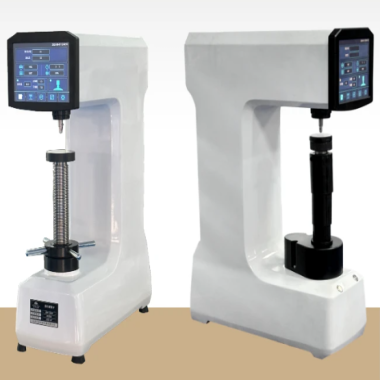
Accelerated Aging Chamber for Geosynthetic Materials | Whats/App: +86 156 1874 6768 Web: standard-groups.com The geosynthetic materials acid and alkali resistance aging test chamber is used for perfor... |
 |
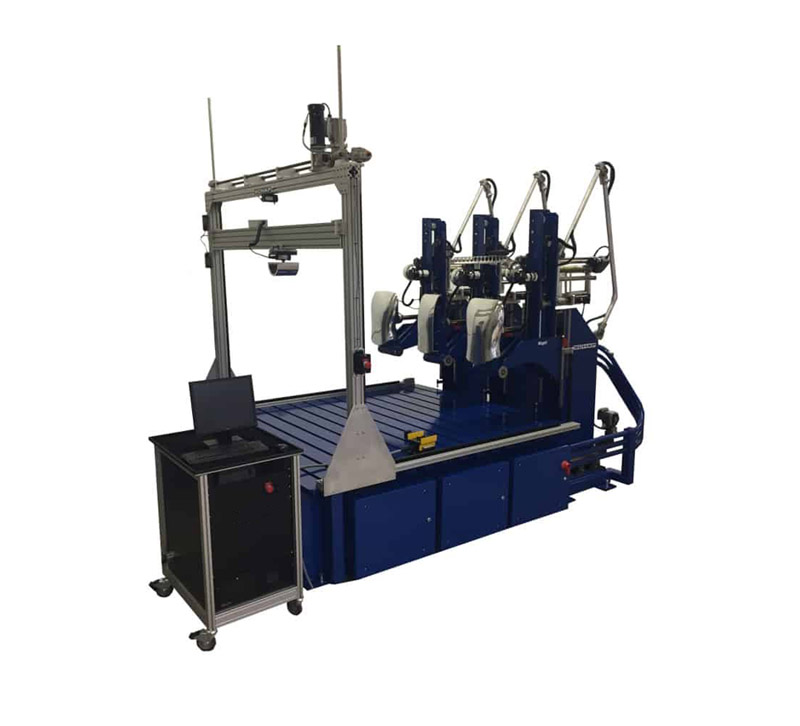
Plastic ball indentation hardness meter | Whats/App: +86 156 1874 6768 Web: standard-groups.com Scope of application: It is used to measure the characteristics of the plastic drainage pl... |
 |
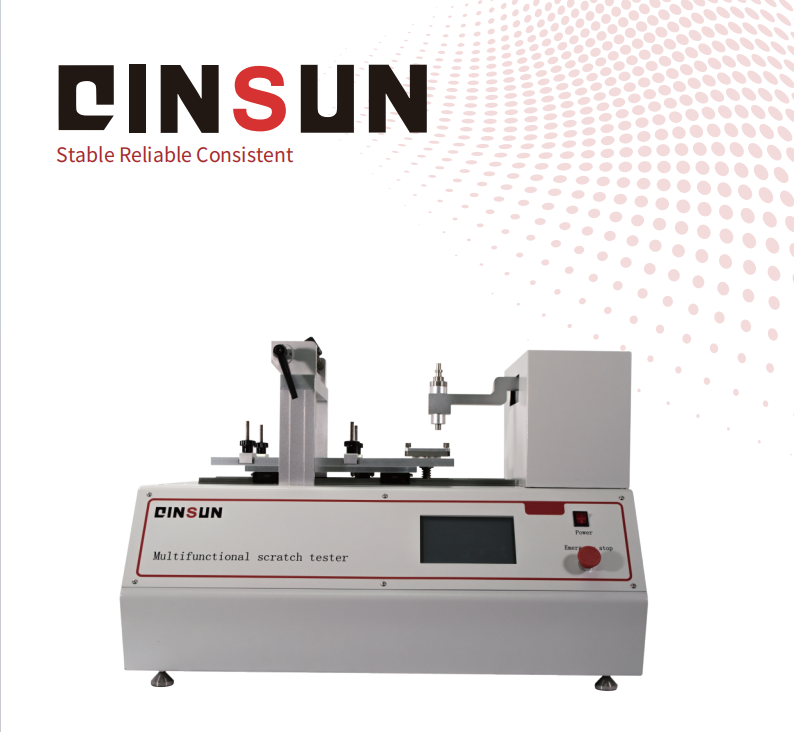
Impact strength tester for car seat headrest | Whats/App: +86 156 1874 6768 Web: standard-groups.com The Automobile Headrest Strength Tester is designed to evaluate the ultimate strength and d... |
 |
automatic cross hatch tester ASTM D3359 | Whats/App: +86 156 1874 6768 Web: standard-groups.com Application It is suitable for testing automotive interior materials, plastics, rubber, le... |
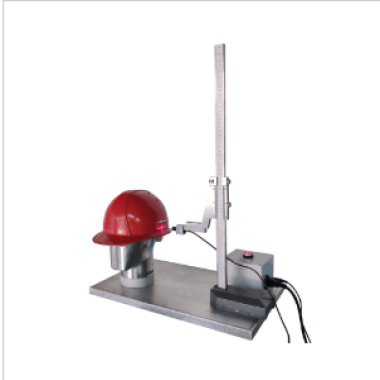 |
Helmets Vertical SpacingInfrared - positioning Tester | Whats/App: +86 156 1874 6768 Web: standard-groups.com Purpose This measuring instrument is used to measure the vertical spacing and wearing heig... |
Same products
 |
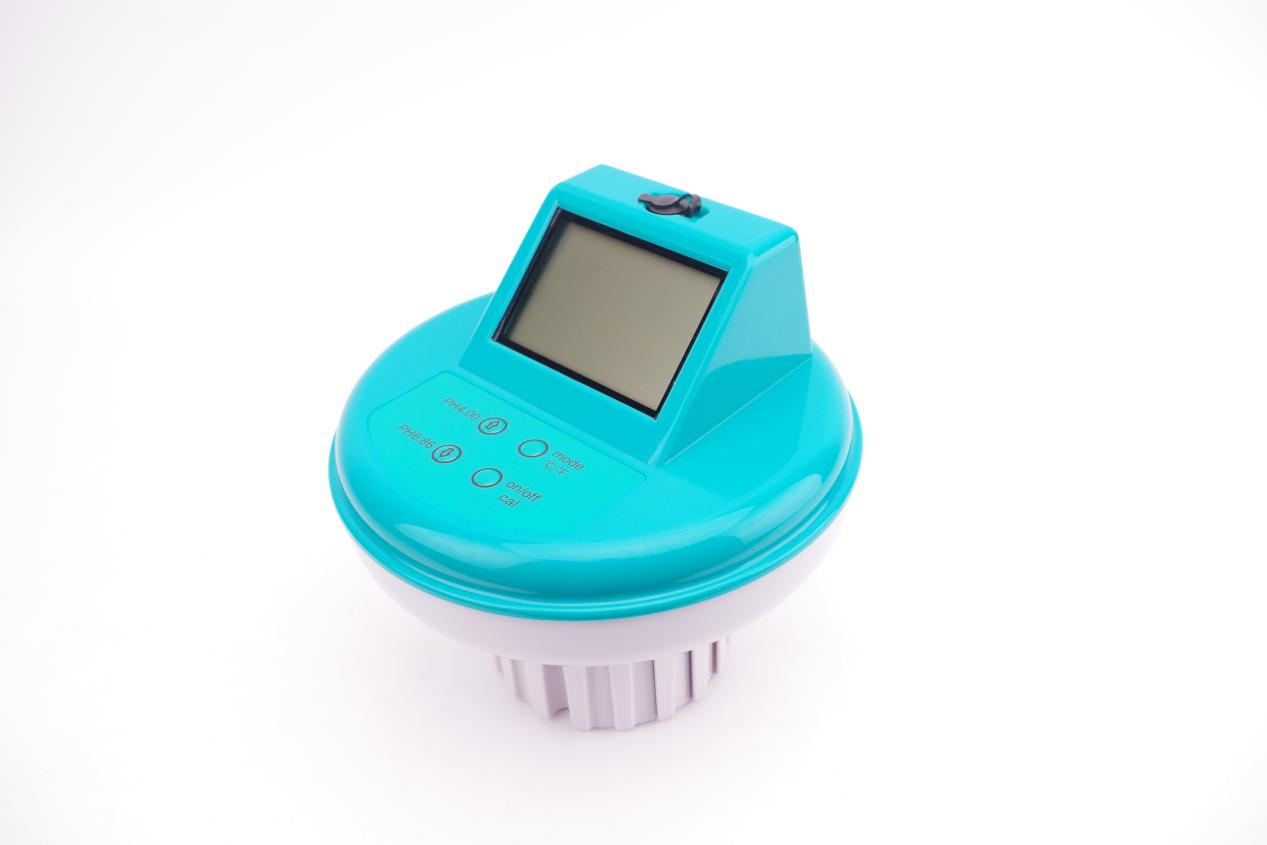
KL‑016A Benchtop High‑precision pH Meter | 卖方: 科立龙电子股份有限公司ctron Co.Ltd | Product Description: Large‑screen display with high resolution and precision for con... |
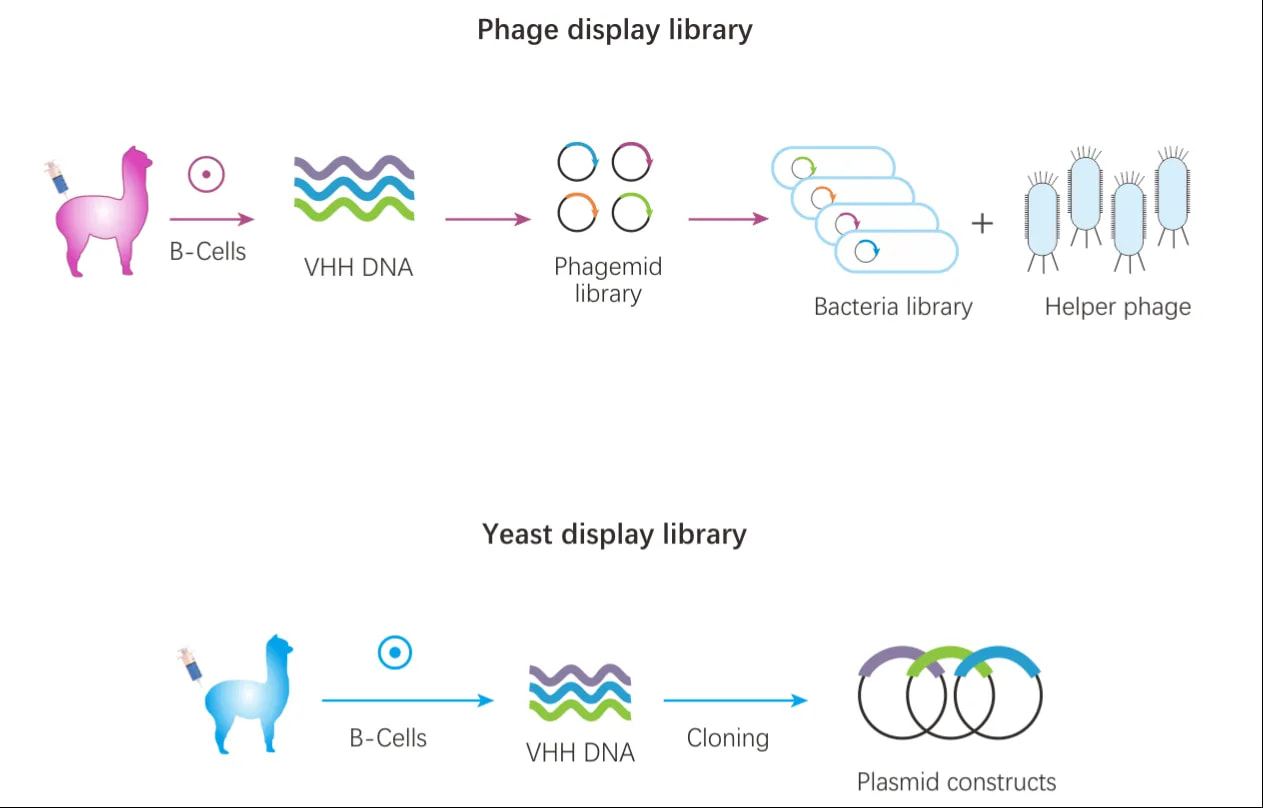 |
Large Naïve VHH Library | 卖方: AlpVHHs | Large Naïve VHH Library VHHare single-domain antibodies derived from the variable regions o... |
 |
PH-2398 pH/EC/ORP/温度 多参数测试仪 | 卖方: 科立龙电子股份有限公司 | 大显示,可同时进行水质PH、氧化还原电位、电导率、温度的测量; 带背光LCD显示清晰,功能齐全,精度高; 仪表采用微电脑测量与控制技术,具有自动校准功能,方便实用。 内置蓝牙,可以与电脑或... |
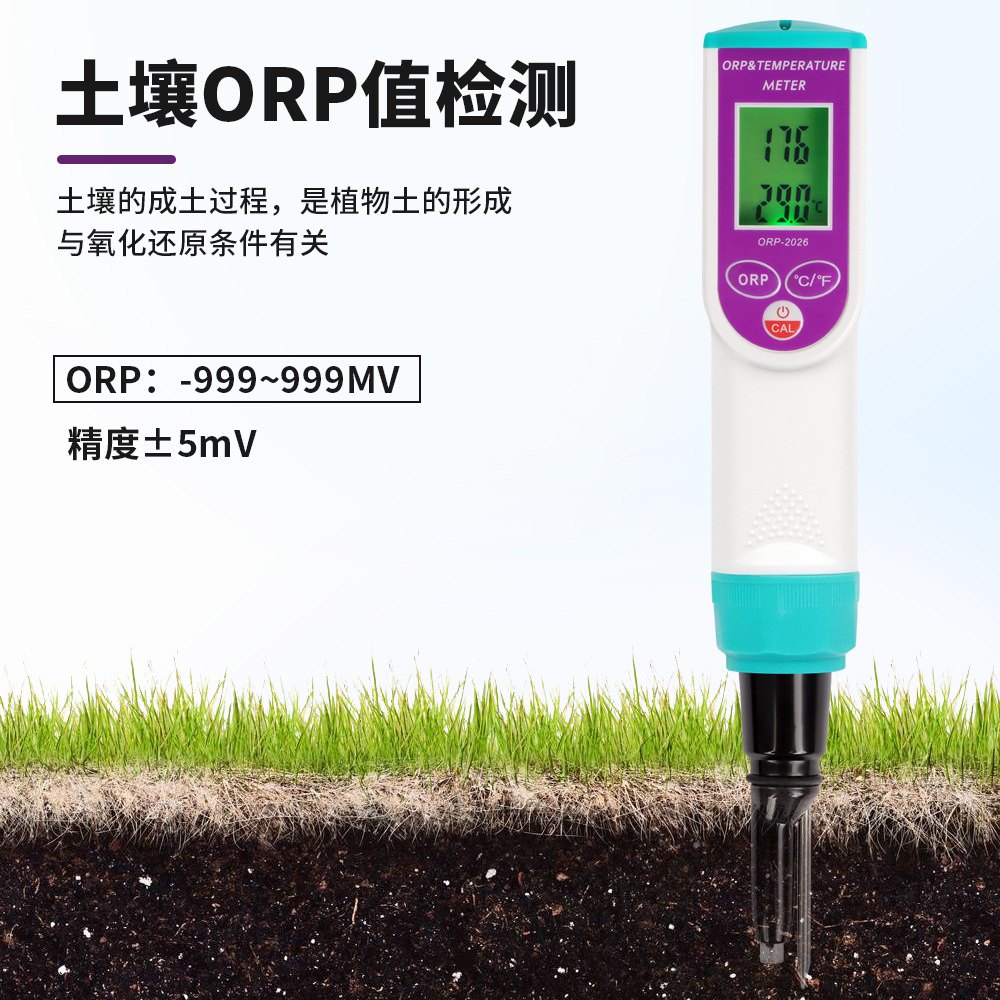 |
ORP-2026S 防水型 土壤ORP&温度 二合一测试仪 | 卖方: 科立龙电子股份有限公司 | 范围 ORP -999~999mV Temp 0~50℃ 分辨率 ORP 1mV... |
 |
防水型 EC /TDS/温度三合一参数测试仪 | 卖方: 科立龙电子股份有限公司 | 范围 EC ~19.9mS TDS Temp 0~50℃ 分辨率 ... |

