

Alcohol abrasion tester

Whats/App: +86 156 1874 6768
Web: standard-groups.com
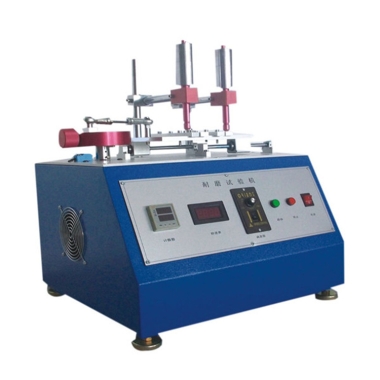
The Alcohol Abrasion Tester is designed for evaluating the wear and friction resistance of coatings, prints, and surfaces under controlled laboratory conditions. It simulates real-world abrasion scenarios using various friction media such as erasers, alcohol-soaked cotton, steel velvet, and sheepskin. Widely applicable in plastics, wires, electronics, and leather industries, it provides accurate, repeatable results for quality control and product development.
Application
(1) Testing abrasion resistance of printed coatings on plastics, electronic housings, wires, and leather.
(2) Evaluating durability of oil sprays, screen prints, and surface coatings under repeated friction.
(3) Quality control for consumer electronics, household appliances, and automotive interior materials.
(4) Research and development of new coatings, inks, or protective finishes.
(5) Assessing the wear resistance of decorative or functional surfaces in manufacturing.
(6) Comparing performance of different friction media on material surfaces.
(7) Determining material performance under simulated operational abrasion conditions.
Standards
(1) ASTM D6279 – Standard Test Method for Abrasion Resistance of Coatings by Taber Abraser.
(2) AATCC Test Method 8 / ISO 105-X12 – Colorfastness to Crocking.
(3) ASTM D3363 – Standard Test Method for Film Hardness by Pencil Test.
(4) UL 969 / UL 2601-1 – Standard for Marking and Labeling Systems.
Features
(1) Reciprocating Motion System with variable convex shaft and Japanese original ball drive for smooth and precise movement.
(2) Double Test Stations allow simultaneous testing of two samples.
(3) Adjustable Working Stroke from 2mm to 50mm.
(4) Variable Working Speed from 10 to 60 cycles per minute (rpm).
(5) Digital LCD Counter capable of displaying up to 999,999 cycles.
(6) Four independent friction groups supporting multiple friction media simultaneously.
(7) Load Application System with calibrated weights (100g, 200g, 300g, 500g, two of each) for precise force application.
(8) Compatible with diverse friction media: eraser, alcohol/cotton, steel velvet, sheepskin.
(9) Motorized drive (25W) ensures consistent operation.
(10) Substantial workpiece table (400x200mm) for secure sample placement.
(11) Compact and robust design suitable for laboratory use.
Parameters
| Parameter | Specification |
|---|---|
| Friction media | Eraser, alcohol/cotton, steel velvet, sheepskin (user-supplied) |
| Load weights | 100g, 200g, 300g, 500g (two of each) |
| Counter | 0–999,999 LCD display |
| Working stroke | 2–50mm adjustable |
| Working speed | 10–60 rpm adjustable |
| Number of friction groups | 4 |
| Motor | 25W |
| Power supply | AC220V/50Hz |
| Dimensions (L×W×H) | 500×460×550mm |
| Net weight | 26kg |
| Workpiece table size | 400×200mm |
Accessories
(1) Calibrated load weights: 100g, 200g, 300g, 500g (two of each).
(2) Friction media holders for erasers, alcohol/cotton, steel velvet, sheepskin.
(3) Workpiece table for securing samples.
(4) Motor drive system.
(5) Digital LCD friction counter.
Test Procedures
(1) Secure the sample on the workpiece table.
(2) Select friction media and attach to the respective friction group.
(3) Apply calibrated load weights as required for the test.
(4) Set working stroke and speed according to the test requirements.
(5) Start the motorized reciprocating motion; the sample undergoes friction cycles.
(6) Monitor the cycle count via the digital LCD counter.
(7) Upon reaching the desired number of cycles, stop the test and evaluate the sample surface for wear or damage.
(8) Record observations and data for analysis.
Maintenance Information
(1) Clean friction media and holders after each test to prevent contamination.
(2) Check and maintain the motor drive and ball drive mechanism periodically.
(3) Inspect calibrated weights for wear or damage.
(4) Keep the workpiece table clean and free of debris.
(5) Store the instrument in a dry and stable environment.
(6) Verify calibration of the digital LCD counter periodically for accurate cycle counting
Send product request
Other supplier products
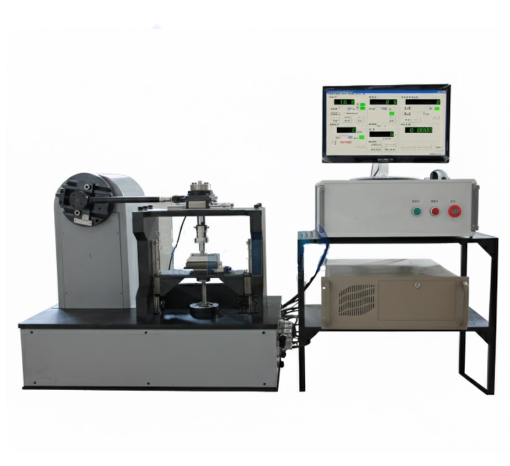 |
Precision Reciprocating Friction and Wear Tester Type 02 | Whats/App: +86 156 1874 6768 Web: standard-groups.com Standards ASTM G99 – Standard Test Method for Wear Testing ASTM G133 – High-T... |
 |
IEC Standard Flat Panel Xenon Aging Test Equipment OEM Manufacturer | Get a quote: Whats/App: +86 156 1874 6768 Web: standard-groups.com Standards GB/T 1865-2009 Paints and Varnishes - Artificial Weathering and Ar... |
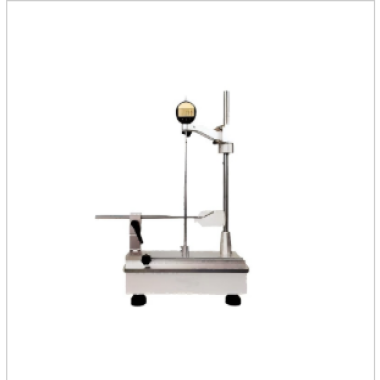 |
Bottle Wall and Bottom Thickness Tester | Whats/App: +86 156 1874 6768 Web: standard-groups.com The wall and bottom thickness tester for bottles is a measuring instrument widely used in t... |
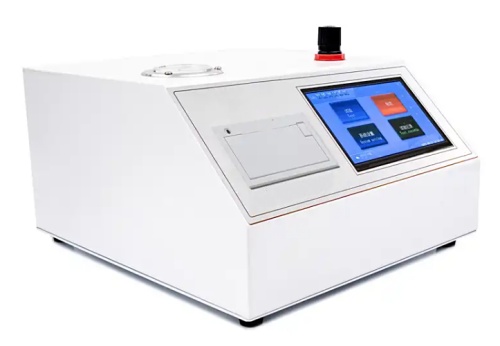 |
Humidifying Bottle Performance Tester | Applications The humidifier bottle performance tester is mainly used to detect various properties of humidifier bottles, including but not limited... |
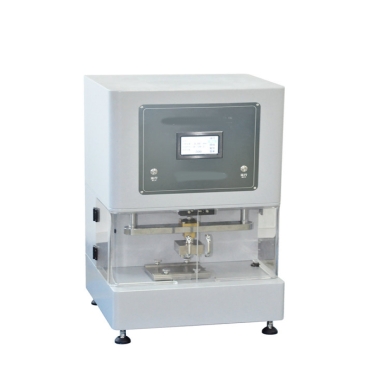 |
Carpet Dynamic Load Tester | Whats/App: +86 156 1874 6768 Web: standard-groups.com Compliance Standards ISO 2094: 1999 (BS) QB/T 1091-2001 ASTM D3574 TEST I4 Instrument F... |
Same products
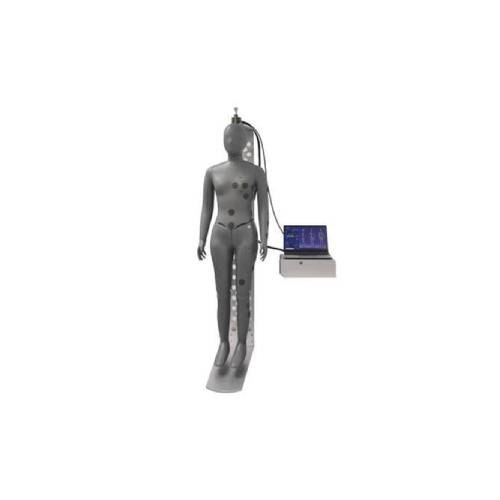 |
Full-Body Garment Stress Tester,FZ/T 70015 | Seller: Standard International Group (HK) Limited | Whats/App: +86 156 1874 6768 Web: standard-groups.com TheFull-Body Garment Stress Testeris a pr... |
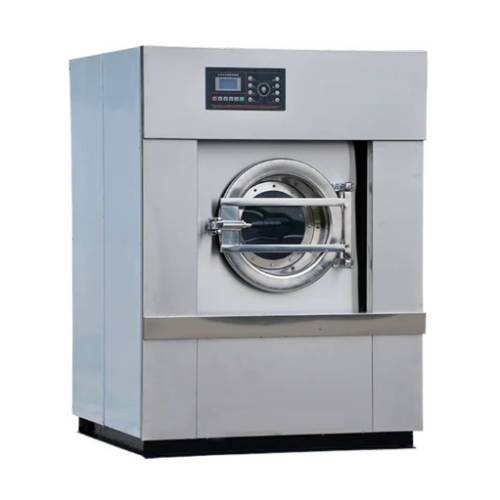 |
Industrial Dry Cleaning Machine,industrial garment steamer | Seller: Standard International Group (HK) Limited | Whats/App: +86 156 1874 6768 Web: standard-groups.com TheIndustrial Dry Cleaning and Energy-Sav... |
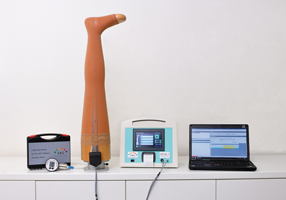 |
MST Medical Compression Stocking Tester,compression sock tester | Seller: Standard International Group (HK) Limited | Whats/App: +86 156 1874 6768 Web: standard-groups.com The MST Medical Compression Stocking Test... |
 |
MMT Liquid Water Separation Tester,MMT Liquid Water Analysis Tool | Seller: Standard International Group (HK) Limited | Whats/App: +86 156 1874 6768 Web: standard-groups.com Applications Textile Manufacturing:Testi... |
 |
Dental material color stability tester | Seller: Standard International Group (HK) Limited | Whats/App: +86 156 1874 6768 Web: standard-groups.com Application The applications of color st... |

