

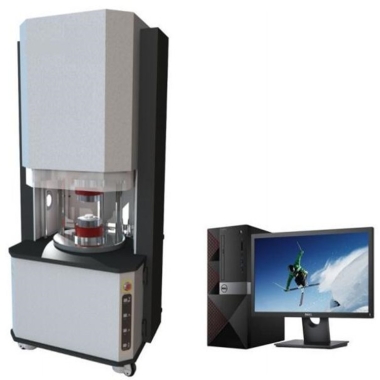
Rubber Mooney Viscosity Tester 丨Mooney Viscometer

Test principle:
The Mooney viscometer is used to measure the viscosity of rubber under specific conditions. In the test, the rubber sample was loaded into the mold cavity of the Mooney viscometer and the motor was started after preheating, and the rotor began to rotate and a certain shear torque was applied. At the same time, the rubber sample produces an equal and opposite resistance moment, which is displayed by the dial indicator installed at one end of the worm or directly through the computer, that is, the Mooney viscosity value.
Reference standard:
GB/T 1232 unvulcanized rubber - Determination of Mooney viscosity
GB/T 1233 rubber compound -- Determination of initial vulcanization characteristics -- Mooney viscometer method
HG-T 3242-2017 Rubber Mooney viscometer
ISO289 unvulcanized rubber -- determination by shear disc viscometer
ISO667 rubber compound - Determination of initial vulcanization characteristics - Mooney viscometer method
Technical parameters:
Measurement and control temperature range: normal temperature ——200℃
Torque measuring range: 0-100 Mooney value
Calibration accuracy: 100±0.5 Mooney value
Rotor speed: 2±0.02 RPM
Measurement time: 0-200 points
Ambient temperature: 0-35℃
Relative humidity: <80%
Test pressure: 11.5KN±0.5KN
Air pressure: 0.45-0.6MPa
Test requirements:
1) Scope: This specification specifies the test method of Mooney viscosity of rubber compound.
Note: Measuring range includes: Mooney viscosity.
2) Test tools: Mooney viscometer, electronic scale, scissors, heat insulation gloves
3) Sample requirements: Cut two rubber samples with a diameter of about 45mm and a thickness of about 3mm from the bubble-free rubber material, one of which has a circular hole with a diameter of about 8mm in the center of the sample (two pieces of rubber material weigh about 16g)。
4) Test conditions: the rubber material can be tested for more than 2 hours under laboratory conditions after processing, but not more than 10 days.
Send product request
Other supplier products
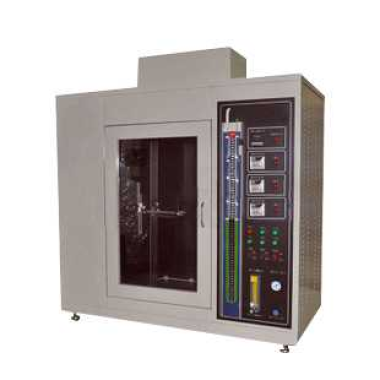 |
Horizontal Vertical Flame Chamber l Vertical Flame Chamber | Standard ANSI/UL 94: Standard for Safety of Flammability of Plastic Materials for Parts in Devices and Appliances GJB 360B-2009: Test Methods for... |
 |
Mask Visual Field Tester | Get a quote: Whats/App: +86 181 0160 0864 Web: gellowen.co.uk The Mask Visual Field Tester is designed to evaluate whether the field of vision u... |
 |
Intramedullary Nails Internal-fixation Pull-out Force Tester | Get a quote: Whats/App: +86 181 0160 0864 Web: gellowen.co.uk The Intramedullary Nails Internal-fixation Pull-out Force Tester is a specialized ... |
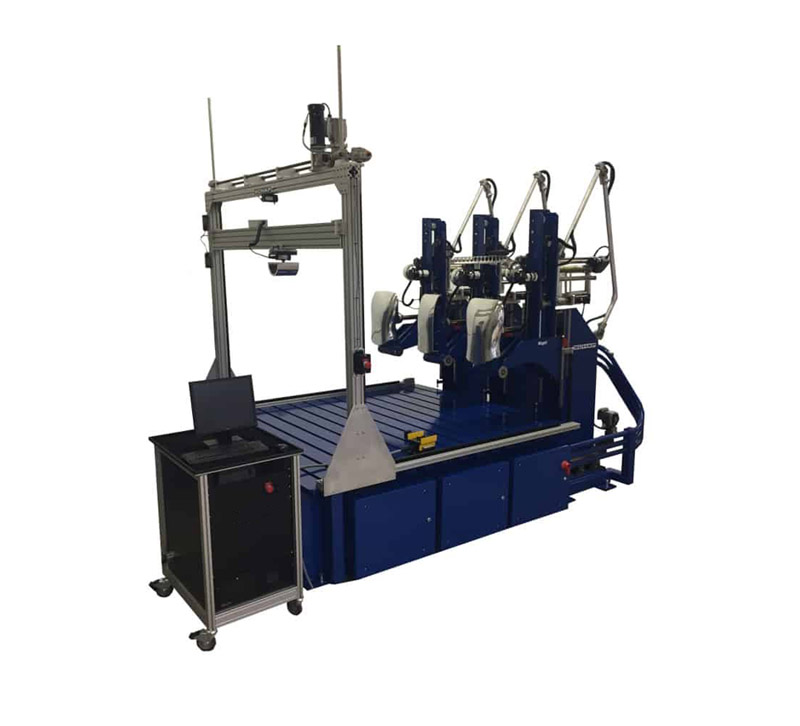 |
Automobile Headrest Strength Tester | Get a quote: Whats/App: +86 181 0160 0864 The Automobile Headrest Strength Tester is designed to evaluate the ultimate strength and durability of... |
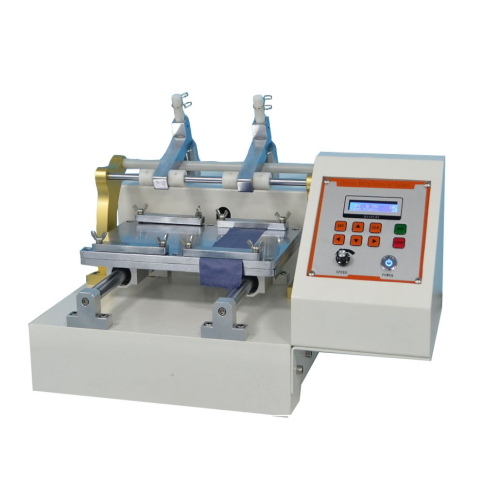 |
Dual-Station Motorized Crocking Tester | Get a quote: Whats/App: +86 181 0160 0864 The Dual-Station Motorized Crocking Tester is designed to evaluate the color fastness of textiles and l... |
Same products
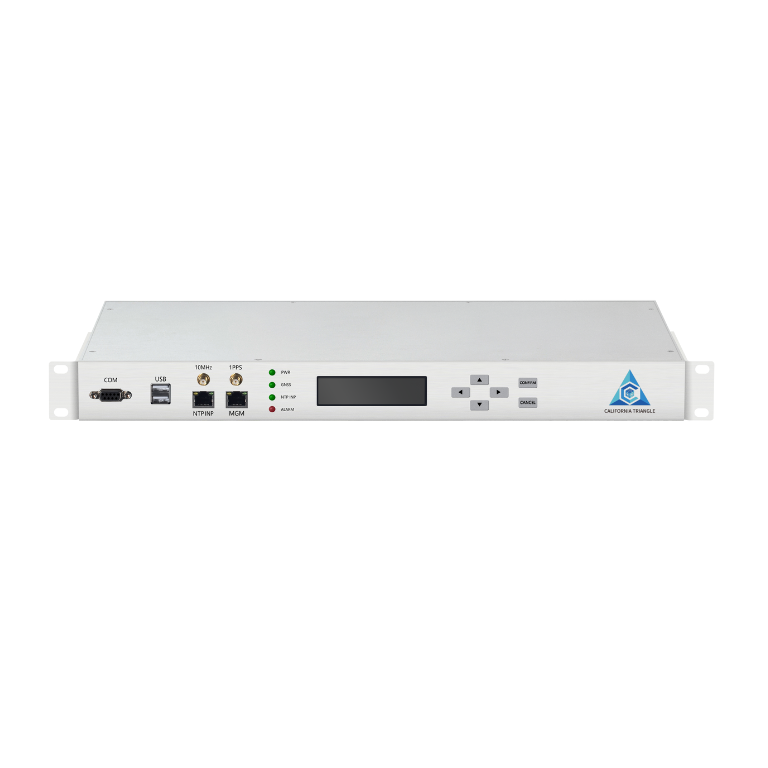 |
Briefly describe the importance, core functionality and how to implement a hospital clock system solution | Seller: California Triangle | In the healthcare industry, precise time synchronization is critical. Every second can be a matte... |
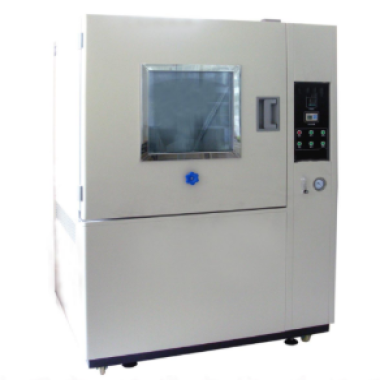 |
Sand and Dust Test Chamber for Automotive Connectors | Seller: Standard International Group (HK) Limited | Operating Conditions: Ambient temperature: 5°C~+28°C (average temperature within 24 hour... |
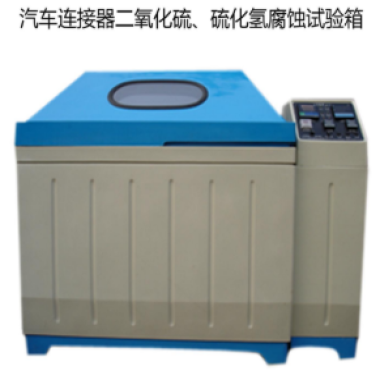 |
Automotive Connector SO₂/H₂S Corrosion Test Chamber | Seller: Standard International Group (HK) Limited | Standards: GB/T 10587-89. GB/T 2423.9-93: Chinese national standards for sulfur dioxide corrosio... |
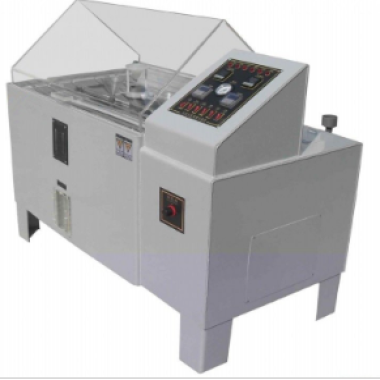 |
Automotive Connectors Salt Spray Tester | Seller: Standard International Group (HK) Limited | Applicable Standards: Neutral Salt Spray (NSS) Tests: GB/T2423.17. ISO 3768/3769/3770. ASTM B117... |
 |
Air - tightness Testing Device for Automotive Connectors | Seller: Standard International Group (HK) Limited | Main Functions: 1. Provide stable positive and negative pressures for testing the air - tightnes... |

