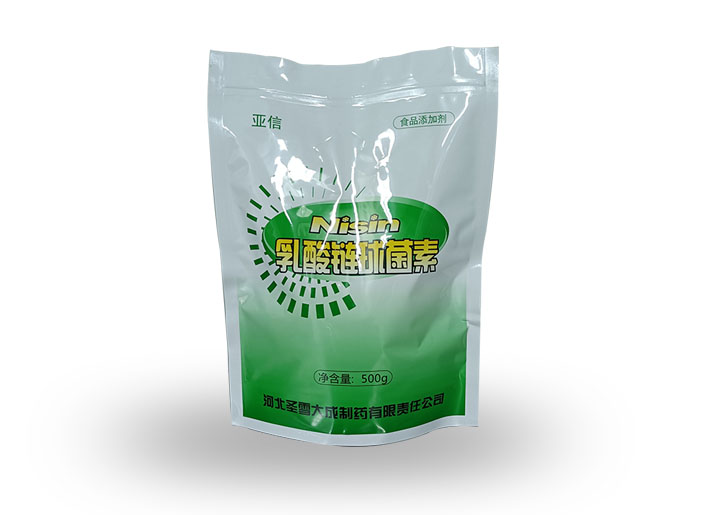
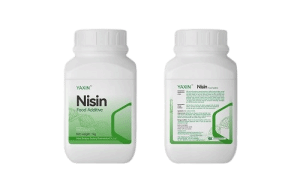
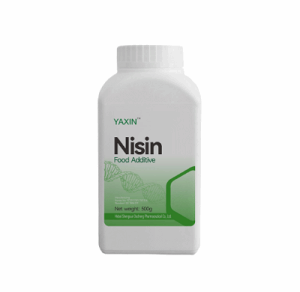
Nisin in Food Preservation
Core Advantages of Nisin in Food Preservation Natural and Safe: Produced by lactic acid bacteria, non-toxic, and exempt from ADI (Acceptable Daily Intake) limits by JECFA, suitable for infants, the elderly, and other sensitive groups. Targeted Antibacterial Action: Specifically inhibits Gram-positive bacteria (the main cause of food spoilage) without affecting beneficial bacteria (e.g., probiotics in yogurt). Stable and Compatible: Tolerates heat (stable at 121°C for 30 minutes) and acidic/neutral pH, compatible with most food processing technologies (pasteurization, HPP, freeze-drying). Reduces Chemical Preservatives: Replaces synthetic preservatives (e.g., sodium benzoate, potassium sorbate), aligning with global "clean label" trends.
Other supplier products
|
|
Nisin Factory |
Nisin is a natural antimicrobial peptide with specific properties and characteristics that make it suitable for various applications, particularly ... |
|
|
Nisin Raw Material quotation |
Nisin’s ability to act as a nutritional supplement stems from its unique biological mechanisms, which are distinct from traditional supplemen... |
|
|
Toxicological Safety of Nisin |
Acute and Chronic Toxicity: Acute toxicity studies show that Nisin has an LD₅₀ > 5000 mg/kg in rodents (oral administration), indicating extreme... |
|
|
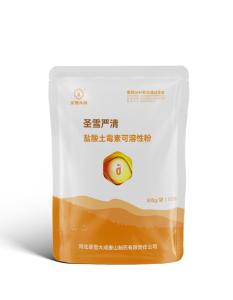
Oxytetracycline Hydrochloride Soluble Powder 50% 500g |
Generic name: Oxytetracycline Hydrochloride Soluble PowderMain ingredient: Oxytetracycline HydrochlorideDescription: The product is a light yellow ... |
|
|
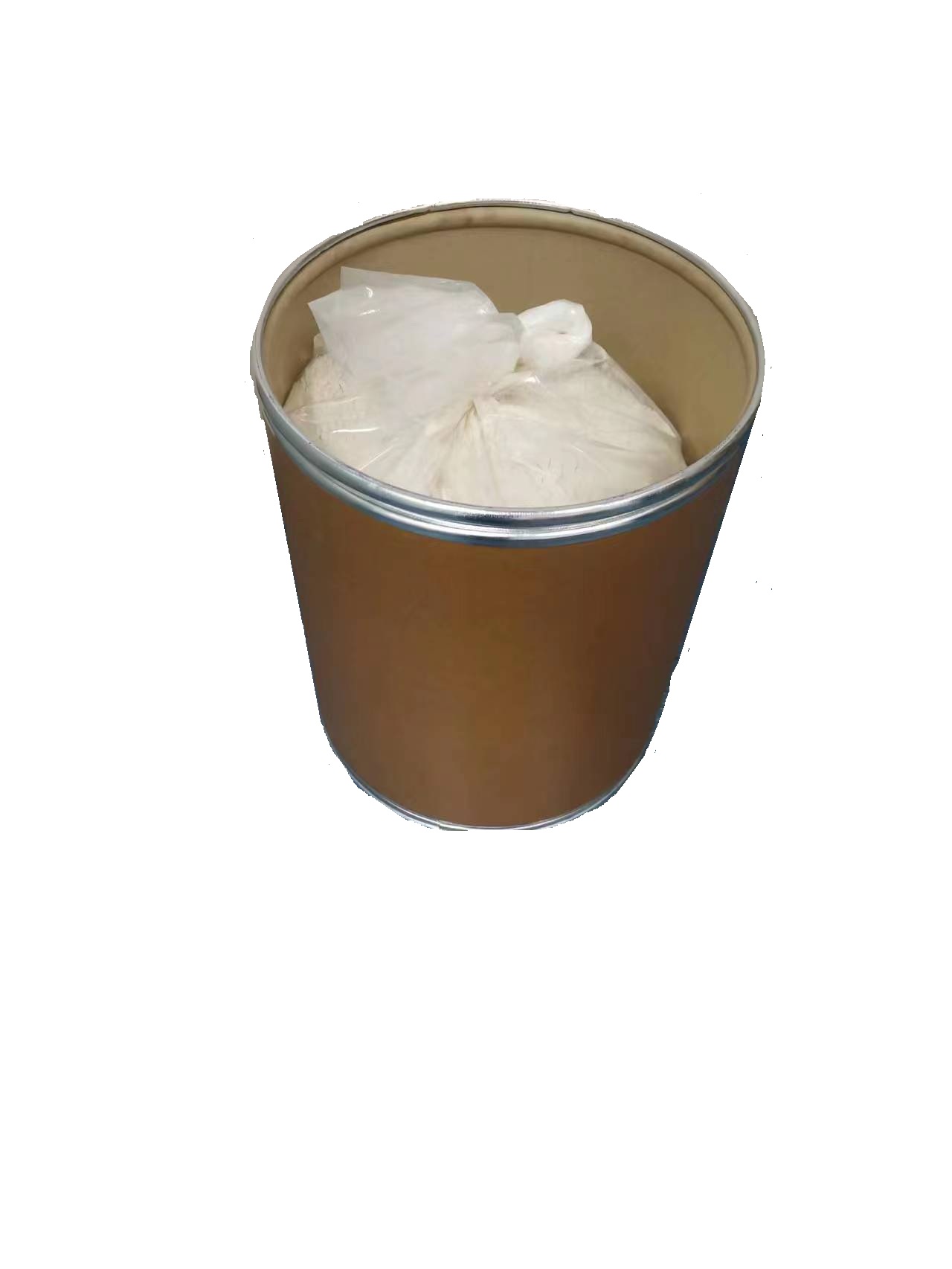
Nisin Powder Price 25KG |
Nisin plays a vital role in the food industry as a natural, safe, and effective preservative, particularly in extending shelf life and enhancing sa... |
All supplier products
Same products