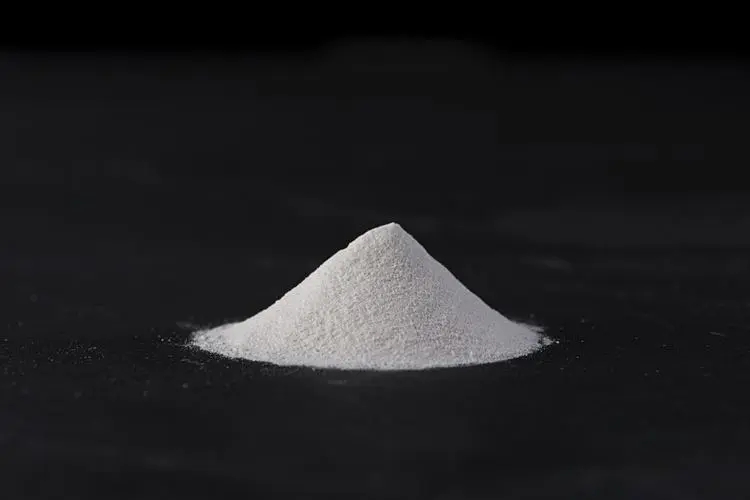
L-leucine
L-leucine is an essential amino acid, which means it cannot be synthesized by the human body and must be obtained through diet. Dietary Sources Animal - based Foods: Rich sources include meat, fish, poultry, eggs, and dairy products. For example, beef, chicken, salmon, eggs, and milk are all good sources of L - leucine. Plant - based Foods: Some plant - based proteins also contain L - leucine, although the content and bioavailability may be lower than those of animal - based proteins. Good plant sources include soybeans, nuts (such as almonds and walnuts), seeds (such as sunflower seeds), and whole grains.
Other supplier products
|
|
L-Cysteine hydrochloride monohydrate |
Hygroscopic Properties of L-Cysteine hydrochloride monohydrateL-Cysteine hydrochloride monohydrate readily forms hydrates or dissolves in absorbed ... |
|
|
Chemical |
L-Methionine plays a pivotal role in maintaining liver function and preventing lipid accumulation: It promotes fatty acid oxidation: By supporting ... |
|
|
L-Threonine |
Chemical Properties of L-Threonine Amino Acid Structure Contains an amino group (-NH₂), a carboxyl group (-COOH), and a hydroxyl-containing side ch... |
|
|
L-lysine monohydrochloride |
L-lysine monohydrochloride’s unique physical and chemical properties make it the preferred form of L-lysine for industrial and biological app... |
|
|
L-proline |
Basic informationStructural characteristics: The molecular structure of L-proline is rather unique. Its α -amino group is an imine, and the h... |
供应产品
Same products