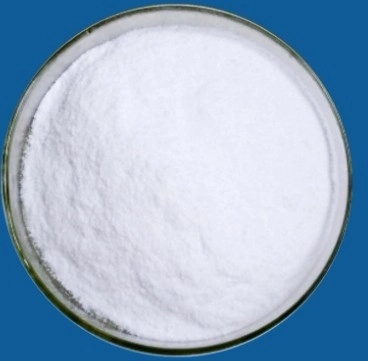
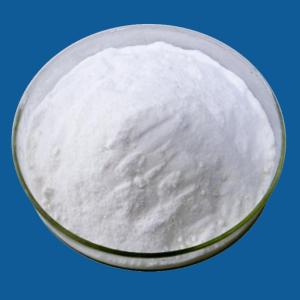
Glycyl-glycyl-glycine

The application of Glycyl-glycyl-glycine in Special diets and infant and toddler foods
Infant formula food
Application scenarios: Infant formula milk powder, infant rice cereal.
Function: Glycine is an essential non-essential amino acid in the early stage of infancy (especially for premature infants with insufficient glycine synthesis ability). Triglycine, as a high-quality source, can be added in accordance with the GB 14880 standard (≤0.2g/kg) to meet the developmental needs of infants. For example, after adding triglycine to a certain formula milk powder for premature infants, the glycine content reached 3.5g/100g protein, approaching the level of breast milk (4.0g/100g protein).
Low-protein dietary foods
Application scenarios: Special food for patients with kidney disease, low-protein weight loss meals.
Function: In a diet with restricted protein intake, triglycine can serve as a "nitrogen source supplement" to ensure amino acid balance under the premise of low protein. For instance, in a certain kidney disease-specific nutritional powder, 0.3g/kg of triglycine is added, enabling the product to provide sufficient glycine (for the synthesis of non-essential amino acids in the body) even when the protein content is only 4%, thus avoiding malnutrition.
Other innovative applications
Probiotic carrier: Triglycine can serve as a protective agent for probiotics (such as Bifidobacterium). During the freeze-drying process, it stabilizes the structure of the bacteria through hydrogen bonding and enhances their survival rate. For example, adding 0.5g/kg of triglycine to probiotic powder can increase the retention rate of viable bacteria of the strain from 50% to 75% after 6 months of storage.
Enzyme preparation stabilizers: Adding 0.1-0.2g/kg of triglycine to enzymes used in food processing (such as amylase and protease) can enhance the thermal stability of the enzymes. For instance, after adding triglycine to a certain type of baking amylase, the activity retention rate after being treated at 90℃ for 30 minutes increased from 60% to 85%, which is conducive to optimizing the baking process.
Application Precautions
Dosage control: The recommended addition amount of triglycine in different foods is usually 0.05-0.5g/kg. It should be adjusted according to the specific category and functional requirements to avoid abnormal flavor caused by excessive addition (for example, a high dose may produce a slight bitterness).
Compounding synergy: When compounding with other additives (such as vitamins, minerals, and dietary fiber), compatibility should be noted. For instance, when triglycine is used together with calcium salts, it may form soluble complexes, which can affect calcium absorption. It is recommended to add them at intervals or control the calcium content.
The diverse applications of triglycine in food processing not only reflect its fundamental value as a nutritional fortifier but also demonstrate its innovative potential in functional improvement and quality optimization. With the development of food technology, its application scenarios are constantly expanding.
Other supplier products
供应产品
Same products