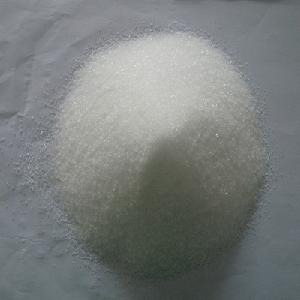
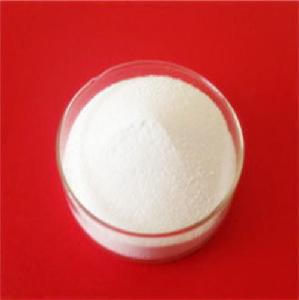
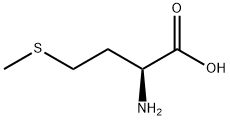
DL-Alanine
While DL-Alanine is not a direct preservative like Nisin or sodium benzoate, it can indirectly extend food shelf life byregulating the microbial growth environmentandimproving food stability:
- It lowers the water activity (aᵥ) of food slightly when added in appropriate amounts, creating an environment less favorable for the growth of spoilage bacteria (e.g.,Bacillusspp. in baked goods).
- It stabilizes sensitive nutrients (e.g., vitamins, unsaturated fatty acids) by chelating trace metal ions (e.g., iron, copper) that accelerate oxidation, reducing lipid peroxidation and nutrient degradation in foods like vegetable oils or fortified cereals.
Typical Applications:
- Baked Goods: Added to bread and pastries to slow staling and inhibit mold growth, extending shelf life by 2–3 days.
- Fatty Foods: Used in fried snacks (e.g., potato chips) or nut butters to delay rancidity, maintaining freshness for a longer period.
Other supplier products
|
|
L-Methionine in Animal Feed Additive |
L-Methionine in Animal Feed Additive Applications L-Methionine is one of the most critical nutritional additives in animal husbandry, as monogastri... |
|
|
DL-methionine powder |
DL-Methionine is used in the food industry as a nutritional fortifier and processing aid, with applications focused on improving the nutritional qu... |
|
|
DL-Alanine |
DL-Alanine has a subtle sweet taste (about 60% of the sweetness of sucrose) and the ability to enhance umami (savory) flavors—a key advantage... |
|
|
L-lysine monohydrochloride |
L-lysine monohydrochloride is one of the most stable amino acid salts in industrial applications, with excellent stability in solid form and good s... |
|
|
L-Lysine monohydrochloride |
The most prominent performance advantage ofL-Lysine monohydrochloride is its optimized physical and chemical properties that eliminate the critical... |
供应产品
Same products