Sucralose

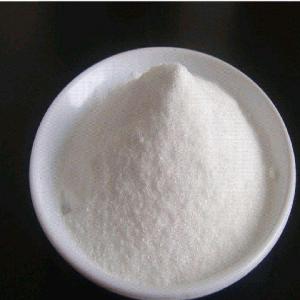
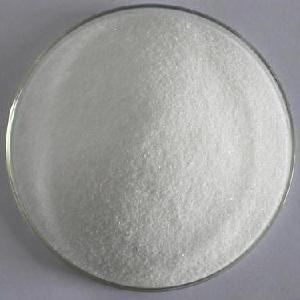
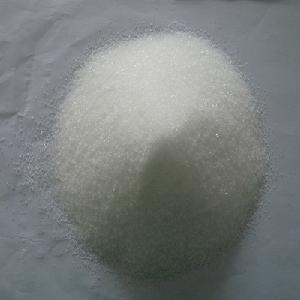
Sucralose is a high-sweetness agent obtained by replacing the hydroxyl groups at positions 4, 1', and 6' of sucrose molecules with chlorine atoms. Its molecular formula is C12H19Cl3O8, and its structure combines the characteristics of a carbohydrate backbone with those of a halogenated hydrocarbon. Overall, it exhibits high stability, low reactivity, resistance to acids and alkalis, high temperature resistance, and is not prone to metabolic reactions. These chemical properties determine its wide applicability in the fields of food, medicine, and cosmetics.
Sucralose has outstanding thermal stability. It does not decompose or produce toxic substances under high-temperature processing conditions, nor does it undergo Maillard reactions with proteins, amino acids, and other components in food. In typical high-temperature processes such as baking, sterilization (121°C, pasteurization, UHT instantaneous sterilization), the molecular framework remains intact, the chlorine substituents are stable and do not detach, and the sweetness and structure remain largely unchanged. Therefore, it can be used in systems with high requirements for thermal stability, such as baked foods, canned beverages, and high-temperature sterilized dairy products. Only in extremely high temperatures or strong reducing environments, carbon-chlorine bonds may break, but under normal food processing and storage conditions, it can be regarded as a thermally inert substance.
In terms of acid-base stability, Sucralose can maintain its structure stable within a wide pH range of 2 to 10. It is resistant to both acids and alkalis and is one of the most chemically stable varieties among high-sweetness agents. When stored in weakly acidic environments such as acidic beverages, vinegar, and fermented foods for a long time, it will not undergo hydrolysis, degradation, or dechlorination reactions, and its sweetness and sensory properties will remain unchanged. It is also stable in neutral and weakly alkaline conditions and does not undergo isomerization, oxidation, or polymerization. Only in extremely strong acid (pH < 1) or strong alkaline (pH > 12) conditions accompanied by high temperatures, the glycosidic bond may slowly hydrolyze, but such conditions are far beyond the normal food and application environments.
Sucralose is not easily oxidized. The chlorine atom in the molecule has a strong electron-withdrawing effect, which significantly reduces the reactivity of active sites such as hydroxyl groups and ether bonds. It is not easily oxidized or colored by air, light, or common oxidants, and will not produce odors or degradation products due to oxidation. Unlike sucrose, which undergoes easy oxidation and browning, Sucralose has stable color and does not turn yellow or darken during long-term storage. It is suitable for transparent beverages, dairy products, and pharmaceutical preparations with high requirements for appearance and flavor stability.
From the perspective of molecular reaction characteristics, although Sucralose retains multiple hydroxyl groups, due to the spatial steric hindrance and electron effect of the chlorine atom, its nucleophilic reactivity is much lower than that of ordinary sugars and is not prone to typical sugar reactions such as esterification, etherification, and acetalization. It is difficult to form covalent bonds with sugars, lipids, amino acids, vitamins, etc. in the food system, so it will not affect the color, flavor, and nutritional stability of the system, nor will it produce unknown by-products. At the same time, it does not have reducing properties and is not a reducing sugar, does not react with Fehling reagent or Benedict reagent, and does not participate in biological metabolic processes such as glycolysis.
Sucralose does not participate in biochemical reactions and is hardly metabolized and absorbed by oral microorganisms. The vast majority of it is excreted in its original form. This chemical nature makes it an all-calorie-free sweetener. It is not utilized by oral microorganisms to produce acid and will not cause tooth demineralization and corrosion. It has anti-caries properties; it does not affect blood sugar fluctuations and does not stimulate insulin secretion, making it suitable for people with diabetes and those controlling their calorie intake.
In addition, Sucralose has good chemical compatibility with common food additives. It does not interact with preservatives, thickening agents, emulsifiers, flavoring agents, pigments, etc., and does not reduce the effects of their use, nor does it form harmful substances. It can be widely used in compound sweeteners, composite food ingredients, and functional food systems. The chemical structure of sucralose is stable and has low reactivity. It possesses characteristics such as heat resistance, acid and alkali resistance, antioxidant properties, non-metabolism, and good compatibility. It is a high-sweetening agent with high safety and wide application scenarios. Its excellent chemical properties are the core reason for its rapid popularization in the food industry.
Other supplier products
|
|
Glycine |
In the field of medicine and health, glycine is an important raw material drug, drug intermediate, and nutritional supplement. It can be directly u... |
|
|
L-Tyrosine |
L-Tyrosine is a versatile amino acid that supports brain health, mood regulation, stress response, and physical performance. It’s particularl... |
|
|
DL-Methionine |
Redox Properties of DL-MethionineThemethylthio group (-SCH3)in the side chain of DL-methionine is the core moiety responsible for its redox reactiv... |
|
|
Sucralose powder Food additive |
Sucralose, as a new generation of high-sweetness sweetener, has demonstrated comprehensive and outstanding application advantages in the fields of ... |
|
|
DL-Alanine |
DL-Alanine is a racemic mixture of two optical isomers: L-Alanine (L-α-alanine) and D-Alanine (D-α-alanine). As a type of α-amino... |
供应产品
Same products