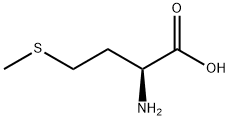
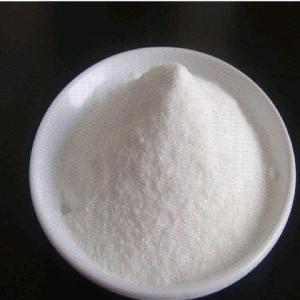
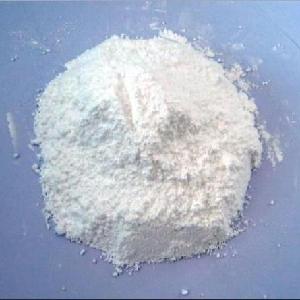
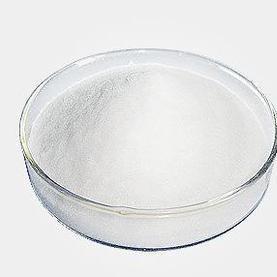
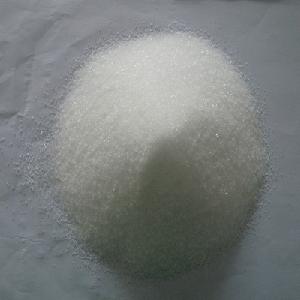
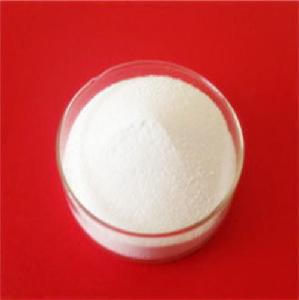
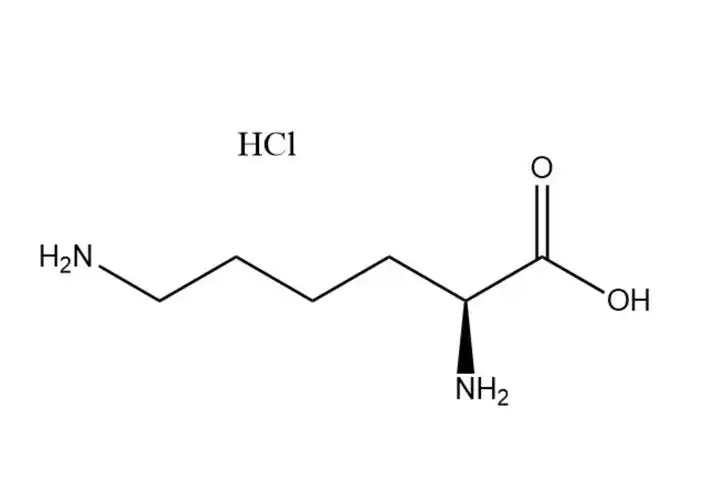
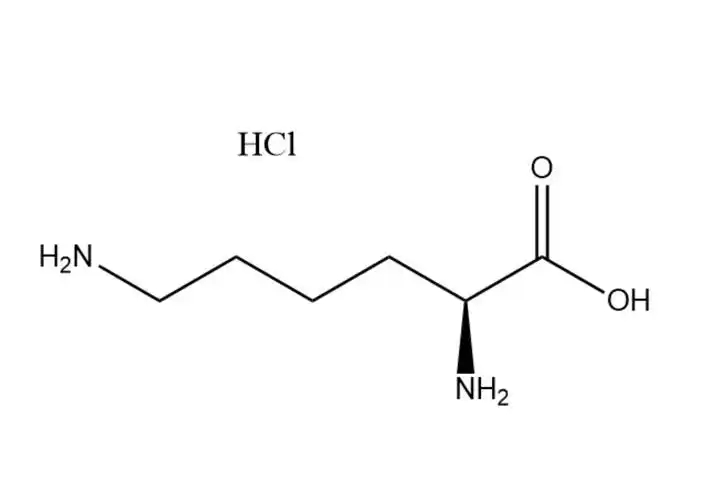
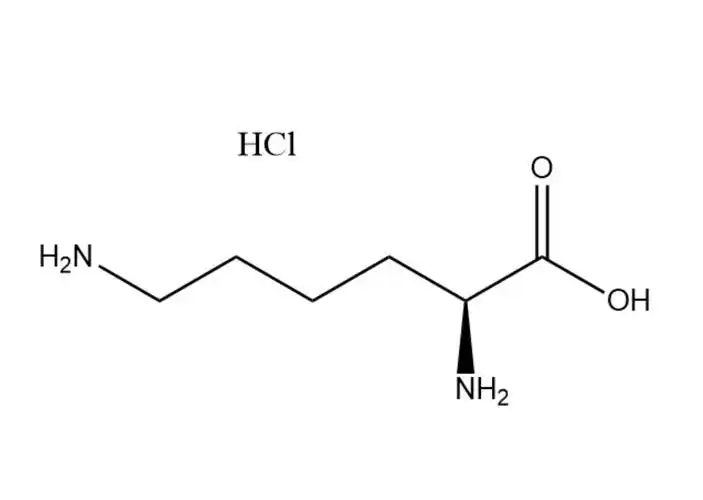
DL-methionine powder

DL-Methionine is the most widely used and largest-volume amino acid feed additive globally, playing an irreplaceable role in improving the nutritional value of feed and promoting animal growth. Livestock and poultry feed additive: Methionine is one of the limiting amino acids in plant-based feed (e.g., soybean meal, corn gluten meal). Adding DL-methionine can balance the amino acid profile of feed, meet the needs of livestock and poultry for essential amino acids, and thus improve feed conversion efficiency and animal growth performance. For monogastric animals such as pigs and chickens, L-methionine in the racemic mixture is directly utilized for protein synthesis, while D-methionine is mostly excreted; however, the cost advantage of DL-methionine makes it more cost-effective than pure L-methionine in large-scale breeding. For ruminant animals such as cattle and sheep, rumen microorganisms produce racemase, which can convert D-methionine into L-methionine, meaning DL-methionine has the same biological efficacy as pure L-methionine in ruminant nutrition. It is widely added to dairy cow feed to improve milk yield and milk protein content, and to beef cattle feed to accelerate weight gain and improve meat quality. Aquatic feed additive: In aquaculture, fish and shrimp also require methionine as an essential amino acid. DL-methionine has good water stability and is not easily lost during feed processing and water immersion. Adding it to aquatic feed can promote the growth and reproduction of aquatic organisms, enhance their stress resistance (e.g., resistance to low oxygen and water pollution), and reduce the feed coefficient. It is particularly suitable for high-density breeding of species such as tilapia, salmon, and penaeus vannamei. Feed antioxidant synergist: The methylthio group in DL-methionine can scavenge free radicals in feed and synergize with traditional antioxidants (e.g., ethoxyquin, vitamin E) to inhibit lipid peroxidation in feed, extend the shelf life of feed, and prevent the loss of fat-soluble vitamins.
Other supplier products
|
|
Sucralose |
Product Name:SucraloseMolecular Weight: 397.63Molecular Formula: C12H19Cl3O8CAS Number: 56038-13-2EINECS Number: 259-952-2Appearance: White to off-... |
|
|
L-Cysteine hydrochloride monohydrate |
1. Storage Environment Dehumidifiers: Use in storage areas to maintain RH below 60%. In tropical or humid climates, this is essential. Climate-Cont... |
|
|
Inositol 87-89-8 |
Inositol, also known as myo-inositol, is a six‑hydroxy cyclohexane derivative, traditionally classified as vitamin B8. It is a water‑soluble, vitam... |
|
|
DL-Alanine |
DL-Alanine can interact with proteins and starches in food, modifying their structure to improve texture and stability—especially in processe... |
|
|
L-Methionine in Animal Feed Additive |
L-Methionine in Animal Feed Additive Applications L-Methionine is one of the most critical nutritional additives in animal husbandry, as monogastri... |
供应产品
Same products